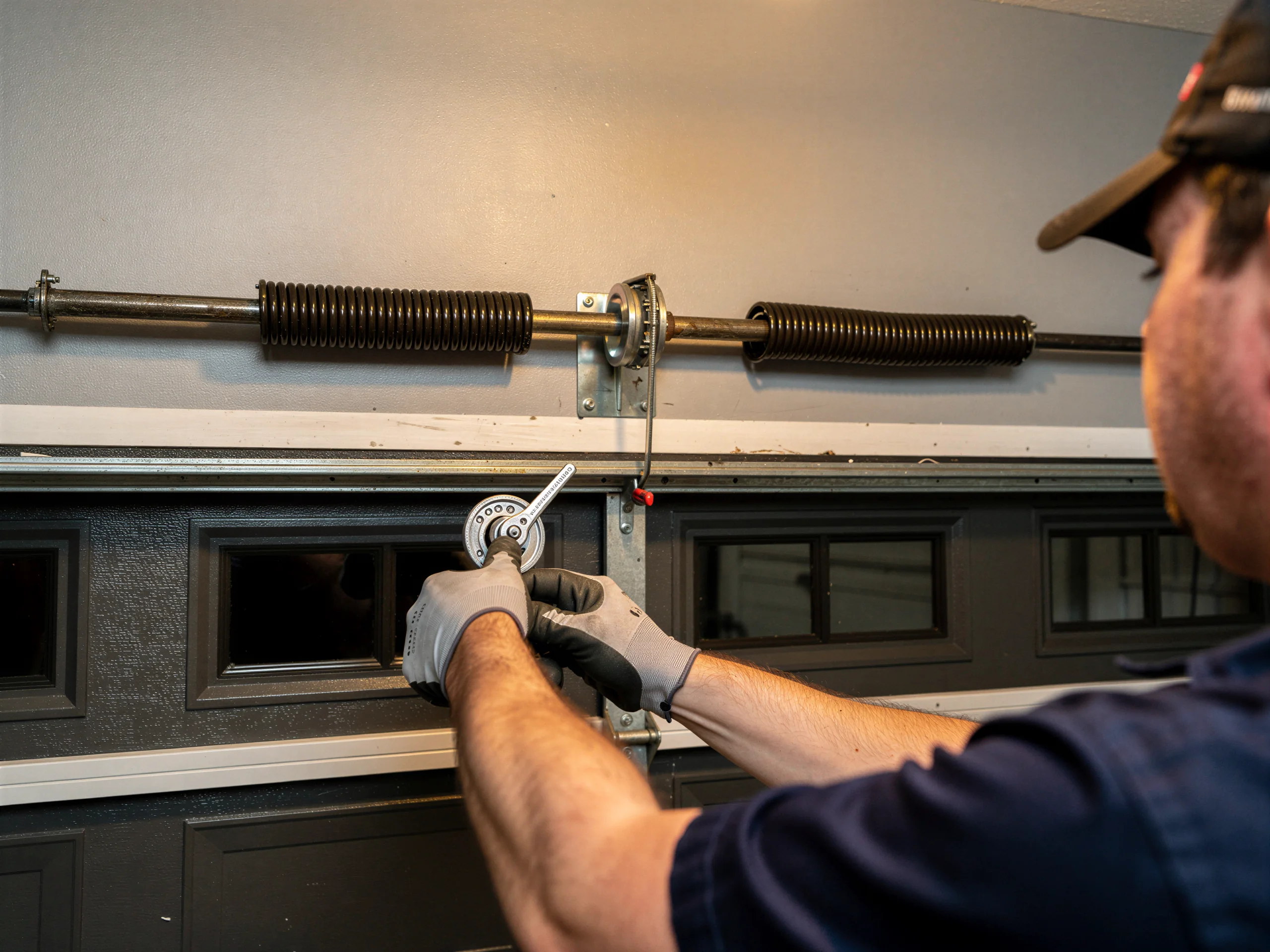
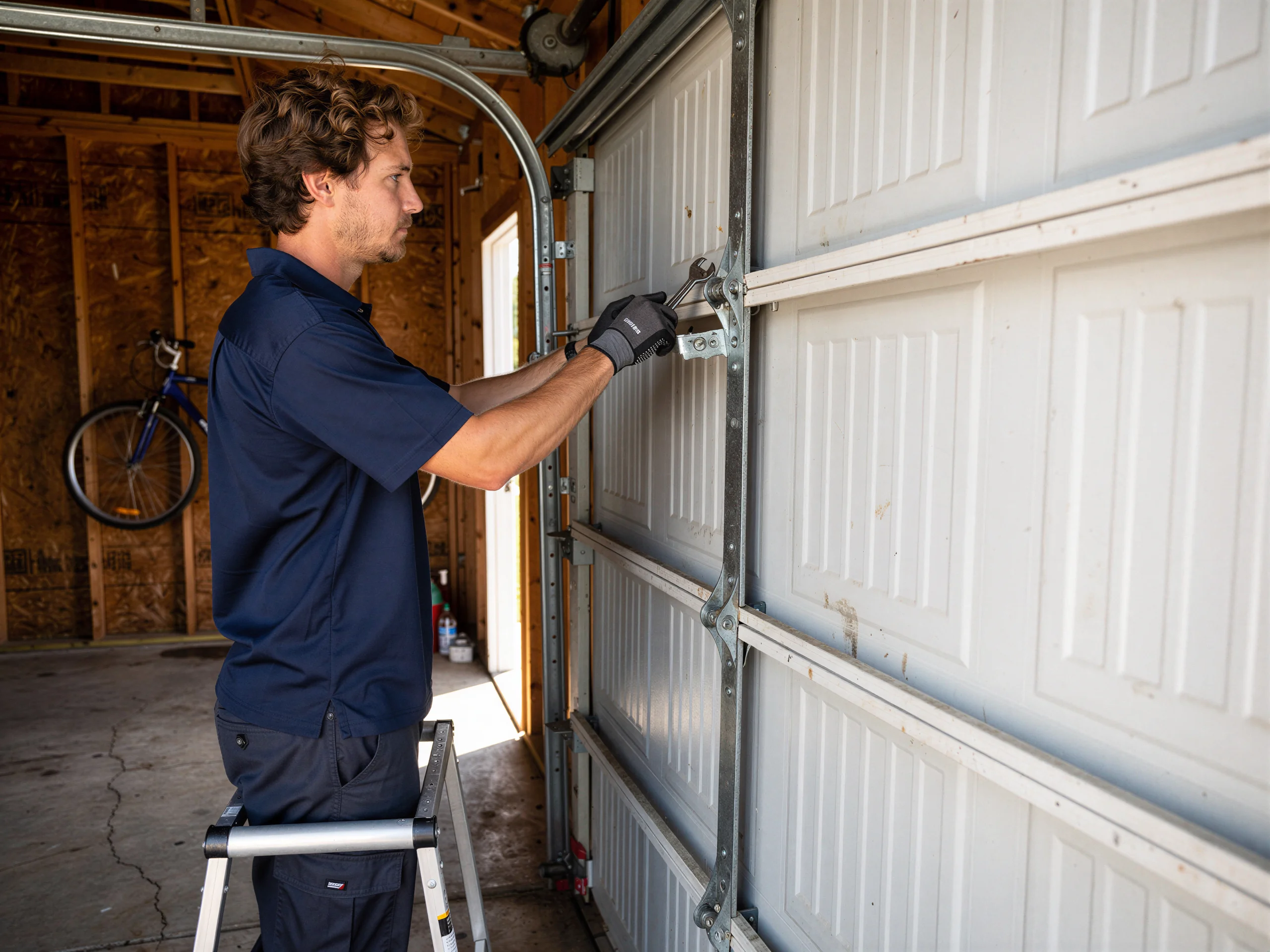
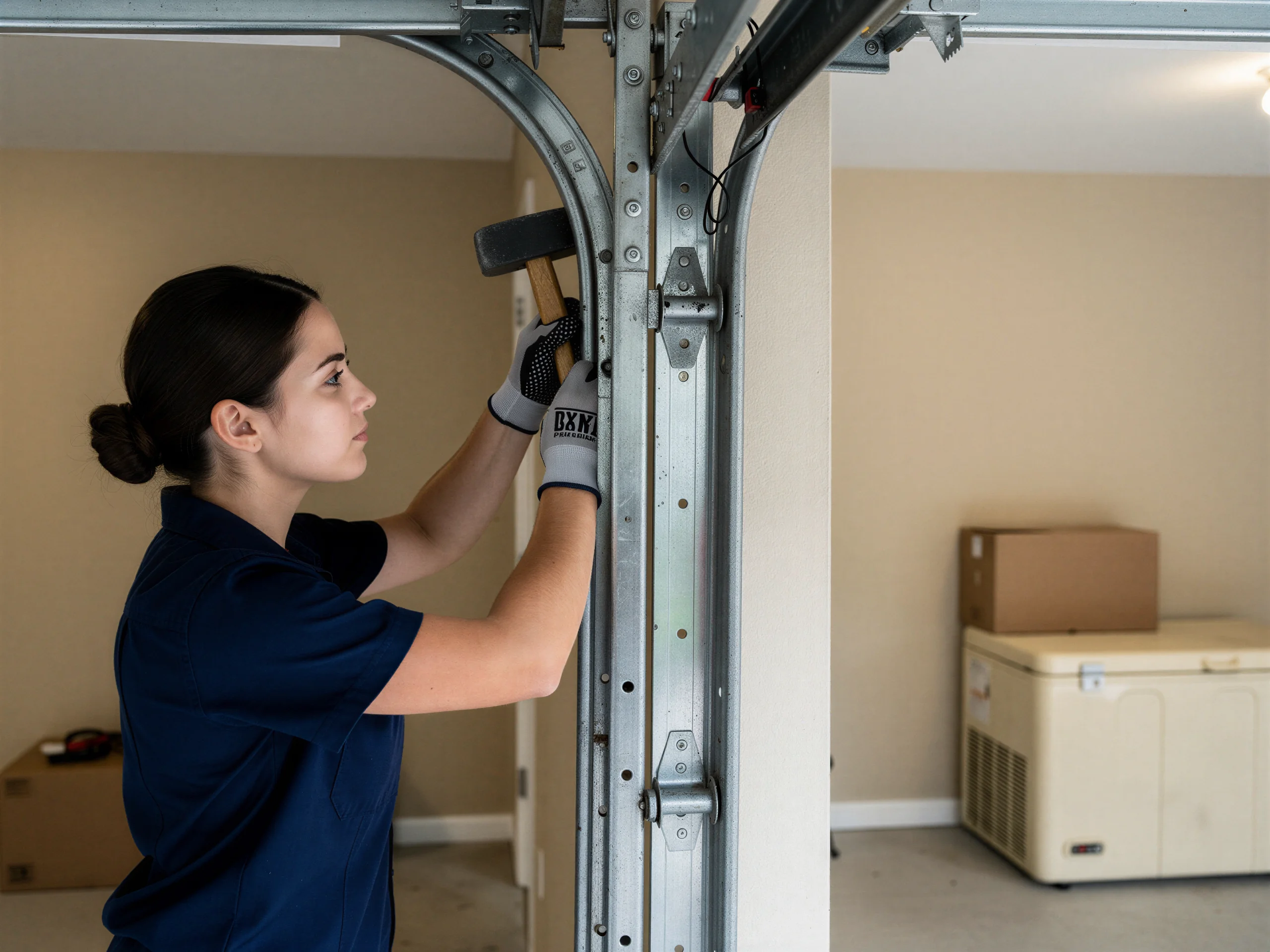
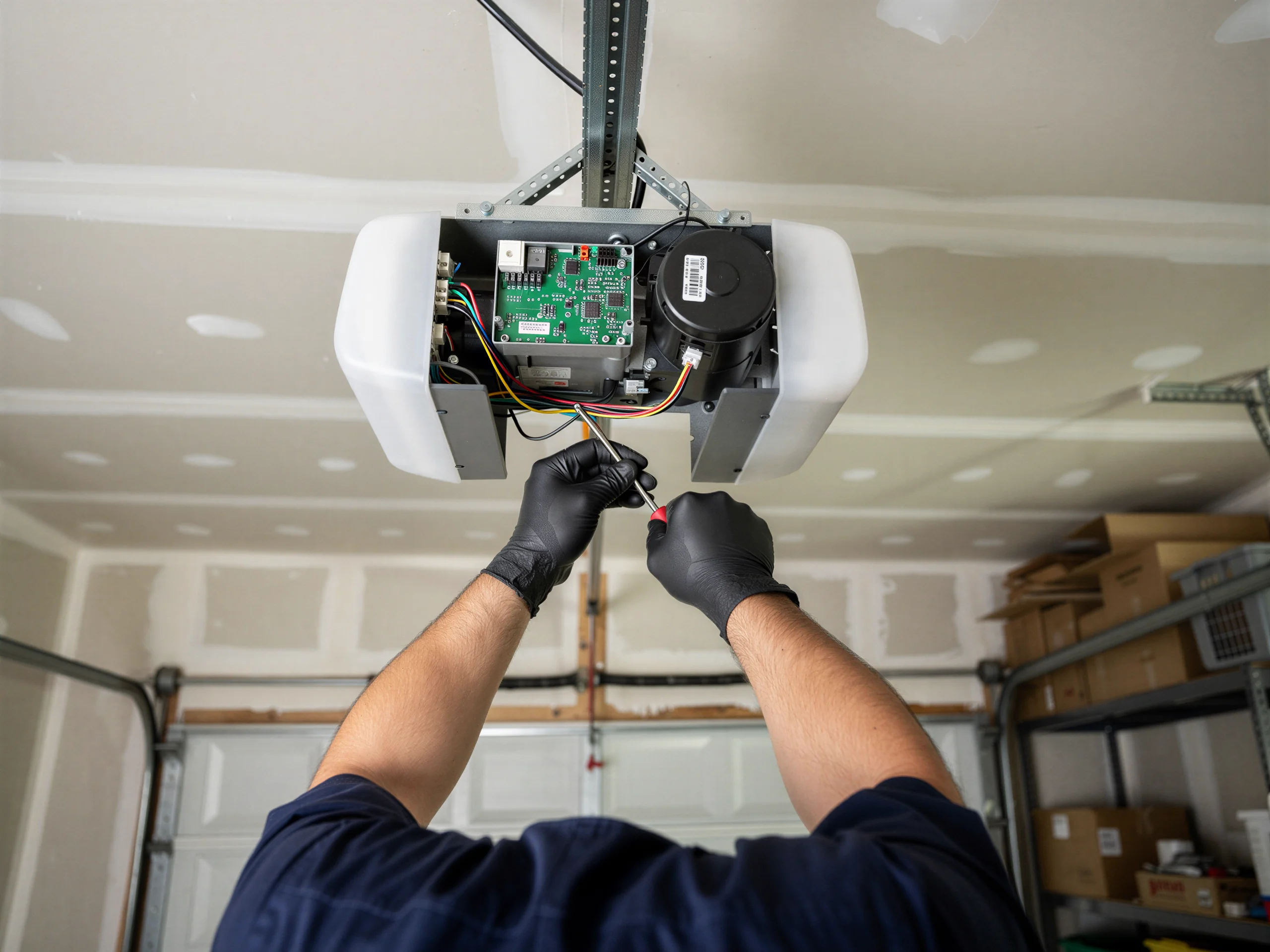
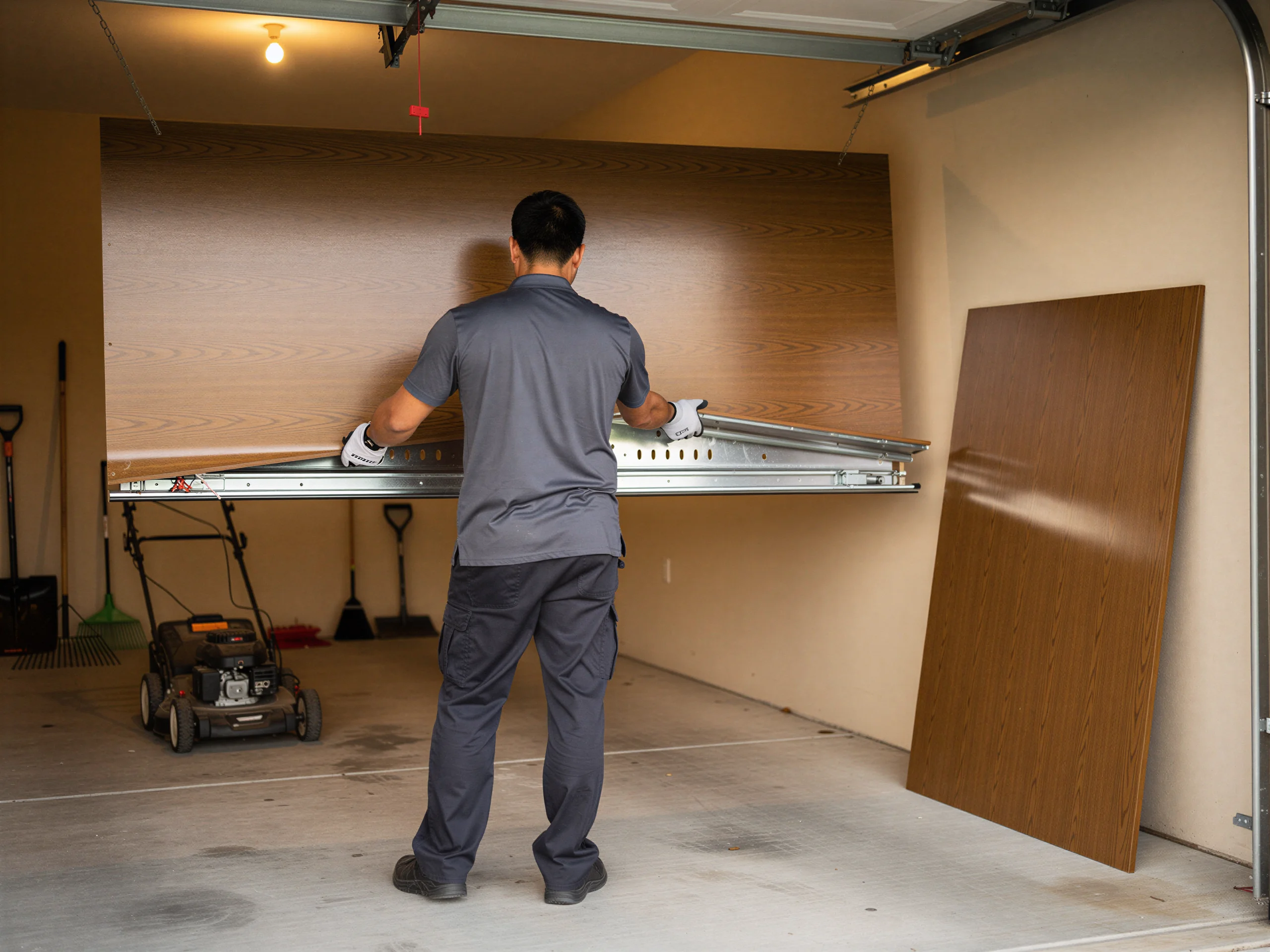
Don't do this one yourself. A wound torsion spring holds enough stored energy to break a finger, a wrist, or worse if the winding bar slips, and the tools to do it safely - a proper winding bar set, vise grips on the track, clamps - aren't things most homeowners have lying around for a job they'll do once.
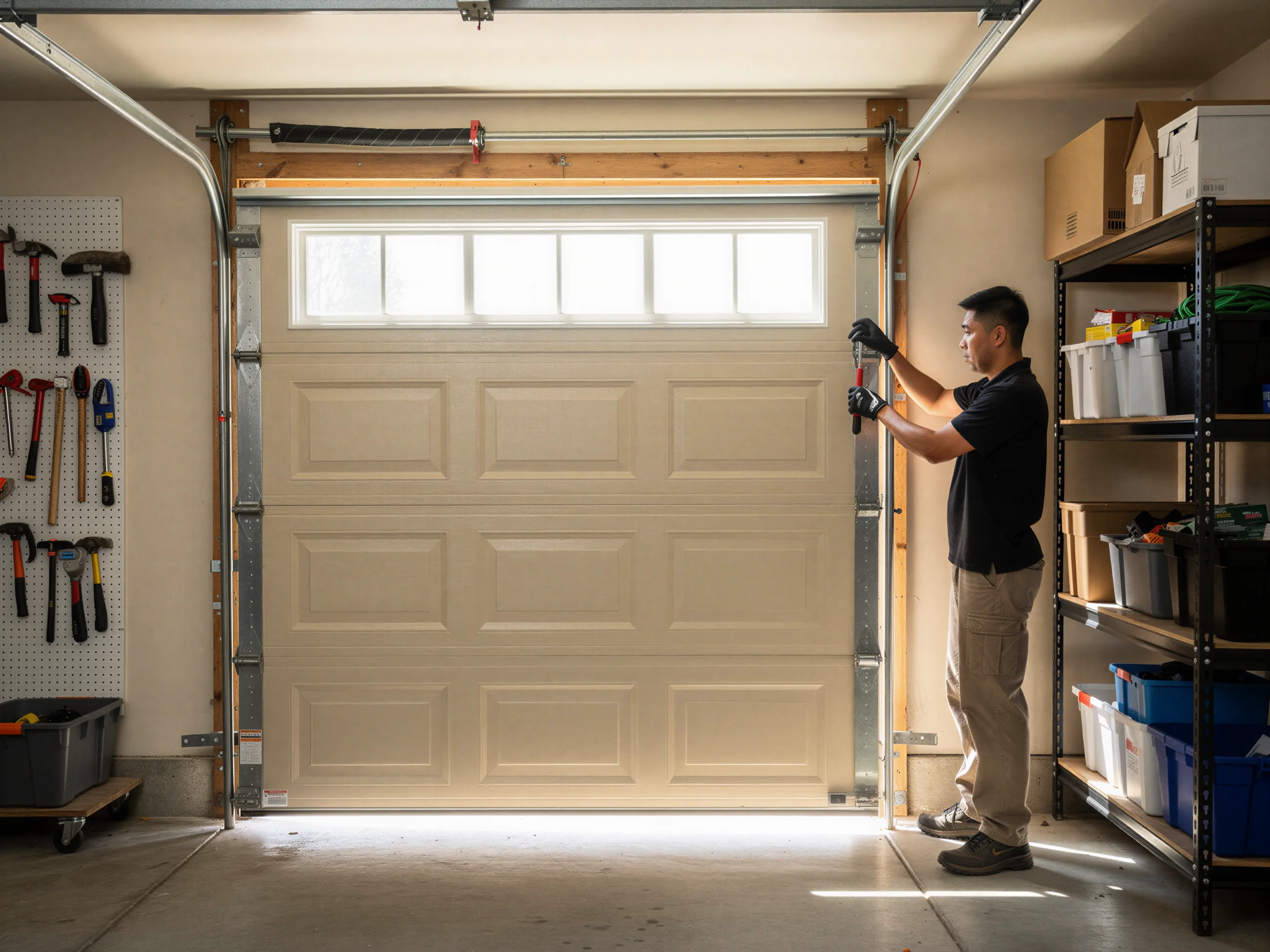
Where a homeowner can reasonably step in: listening for the cycle-fatigue warning signs before the spring actually breaks, like a door that's started sagging on one side or an opener that strains and reverses partway up. Catching that early means a scheduled spring swap instead of a car trapped in the garage on a Saturday morning. Past that point, this is a call-the-pro job, not a weekend-project one, and any company telling you otherwise is selling you a trip to the ER.