When a Richmond Garage Door Actually Needs a Call
Richmond homes built between 1972 and 2014 carry original hardware that's often overdue.
Read moreRichmond homes built between 1972 and 2014 carry different hardware than new builds. Here's how to tell a bad grind from a normal squeak before it strands your car.
Local detail
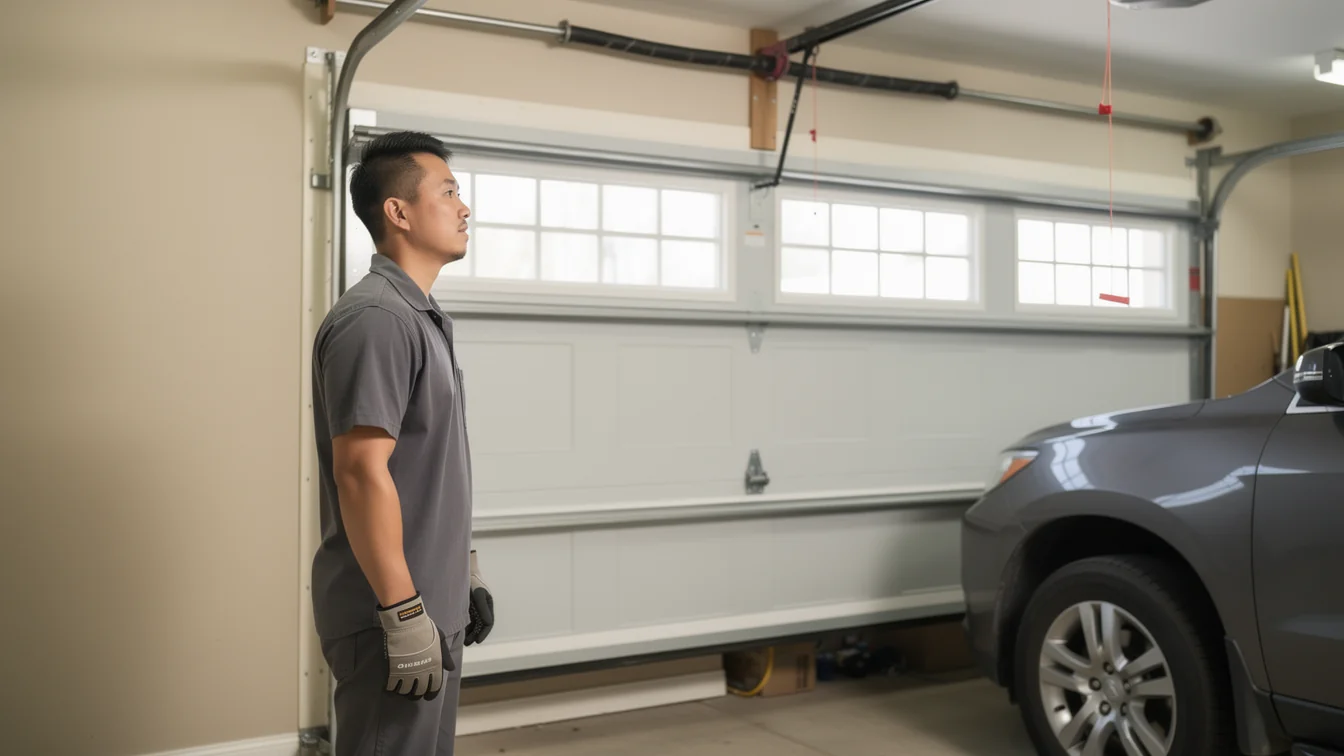
A door that groans once when it's cold and quiet the rest of the day is not an emergency. A door that grinds every single cycle, or bangs on one side only, is telling you a part is already failing. In Richmond, where most houses went up between 1972 and 2014 with a median build year around 1987, a lot of that original hardware is still in service. That means springs and rollers that are past their rated cycle count but haven't quit yet. If you hear metal-on-metal grinding, a loud pop followed by the door feeling heavier, or a track that pops and bangs as the door travels, call before you run the opener again. Running a door with a cracked spring or a bent track through a few more cycles is how a repair job turns into a replacement job. If the noise only happens on the coldest mornings and disappears by afternoon, that's usually lubrication, not failure, and it can wait for a scheduled visit instead of an emergency call.
The area
Richmond sits in a moderate heat climate band, not an extreme one, so you don't get the violent freeze-thaw cycling that tears apart hardware in colder regions. What you do get is steady summer heat that dries out factory grease on rollers and hinges faster than cooler climates do. On doors from the 1980s and 90s stock that makes up most of this area, that grease was never designed to last three and four decades. The symptom isn't a loud bang, it's a rising squeal that gets worse through the summer months and quiets down a little once temperatures drop. It's not dangerous by itself, but it's a sign the moving parts are running drier than they should, which shortens the life of rollers and hinge pins. The honest answer here: lubrication alone doesn't fix a roller that's already worn oval-shaped, it just buys a few more months before the real noise shows up.
What we find
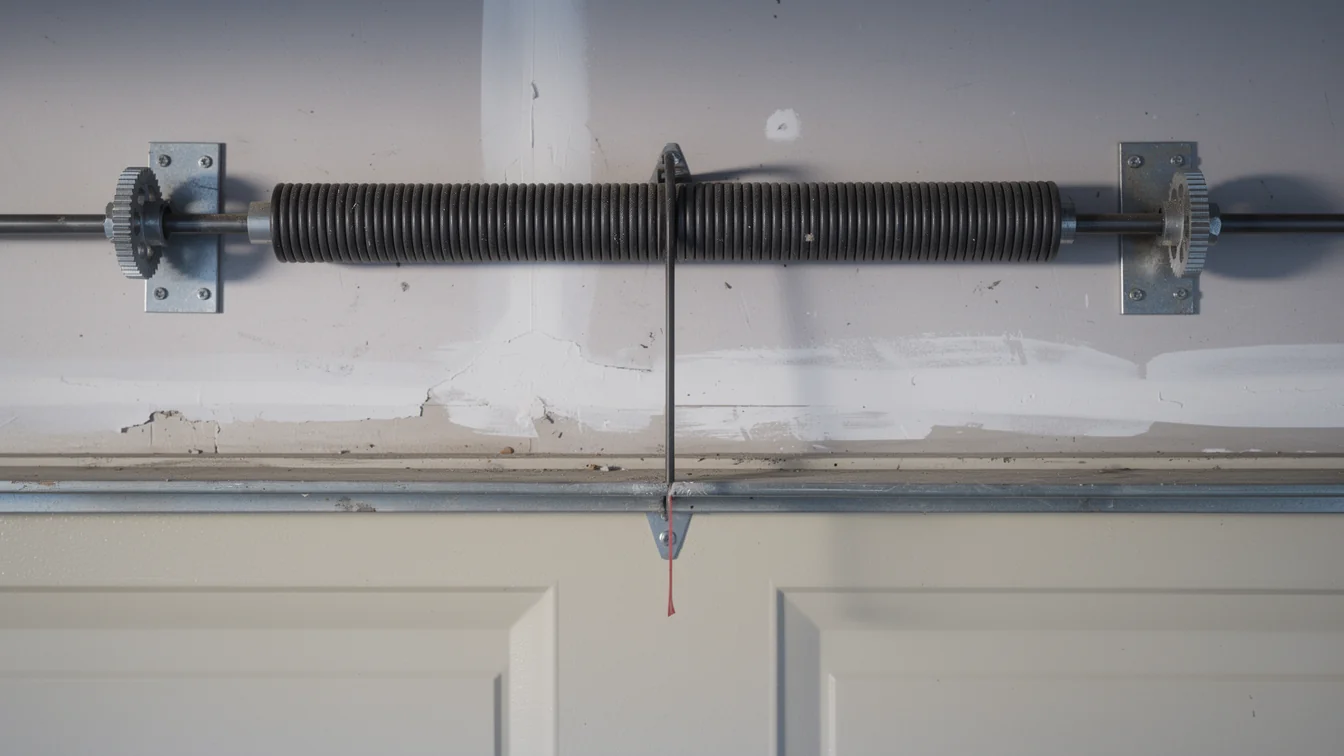
Across the 13 named areas that make up most of this service territory, the housing stock clusters tightly in the 1980s and 90s, which means a lot of doors are running original torsion or extension spring setups that were standard for that era. Those systems weren't built wrong, they're just old, and the moderate heat band here means the garage interior runs warm for a long stretch of the year rather than swinging between extremes. Warm garages mean the metal expands slightly, which on an aging spring can turn a quiet coil into one that ticks or clicks as it winds and unwinds. That ticking is often mistaken for an opener problem when it's actually the spring itself telling you it's near the end of its life. None of this is specific to one street or one subdivision. It's a function of when the houses in this part of Richmond were built and what kind of hardware was standard at the time.
How we work
The real problem with garage door noise is that most of it sounds the same to someone who isn't working on doors every day. A worn roller, a loose hinge, and a spring that's about to go can all produce a similar rattle, and guessing wrong means replacing the wrong part while the real issue keeps wearing. With a median build year around 1987 for houses in this area, a lot of doors are old enough that more than one part is wearing out at the same time, which makes the sound even harder to isolate by ear alone. We don't pretend every noise call needs a truck roll. If what you're describing on the phone sounds like simple dry hinges, we'll tell you to try a silicone spray before booking anything. But if it's a grind, a bang, or a cable that looks frayed, that's not a wait-and-see situation.
Questions
Usually not urgent, especially in Richmond's warmer months when dried-out grease on rollers and hinges is the most common cause. It's worth lubricating soon so the wear doesn't accelerate, but a squeal alone on a door that still moves smoothly isn't a same-day emergency.
Richmond's moderate heat band means the garage stays warm for long stretches, which dries factory lubricant on rollers and hinge pins faster than it would in a cooler climate. The metal also expands slightly, which can make an aging spring tick or click as it cycles.
It can. A lot of houses in this part of Richmond were built in that era, and original torsion or extension spring setups from that period are now decades past their typical cycle life. Age-related wear often shows up as noise before it shows up as a full failure.
Sometimes, if the sound is a dry squeal and nothing is grinding or banging. But lubricant won't fix a roller that's already worn out of round or a spring that's cracking, so if the noise persists after lubrication, it's worth having someone look at the actual part.
Recommendation
More garage door guides for Richmond homeowners.
Richmond homes built between 1972 and 2014 carry original hardware that's often overdue.
Read more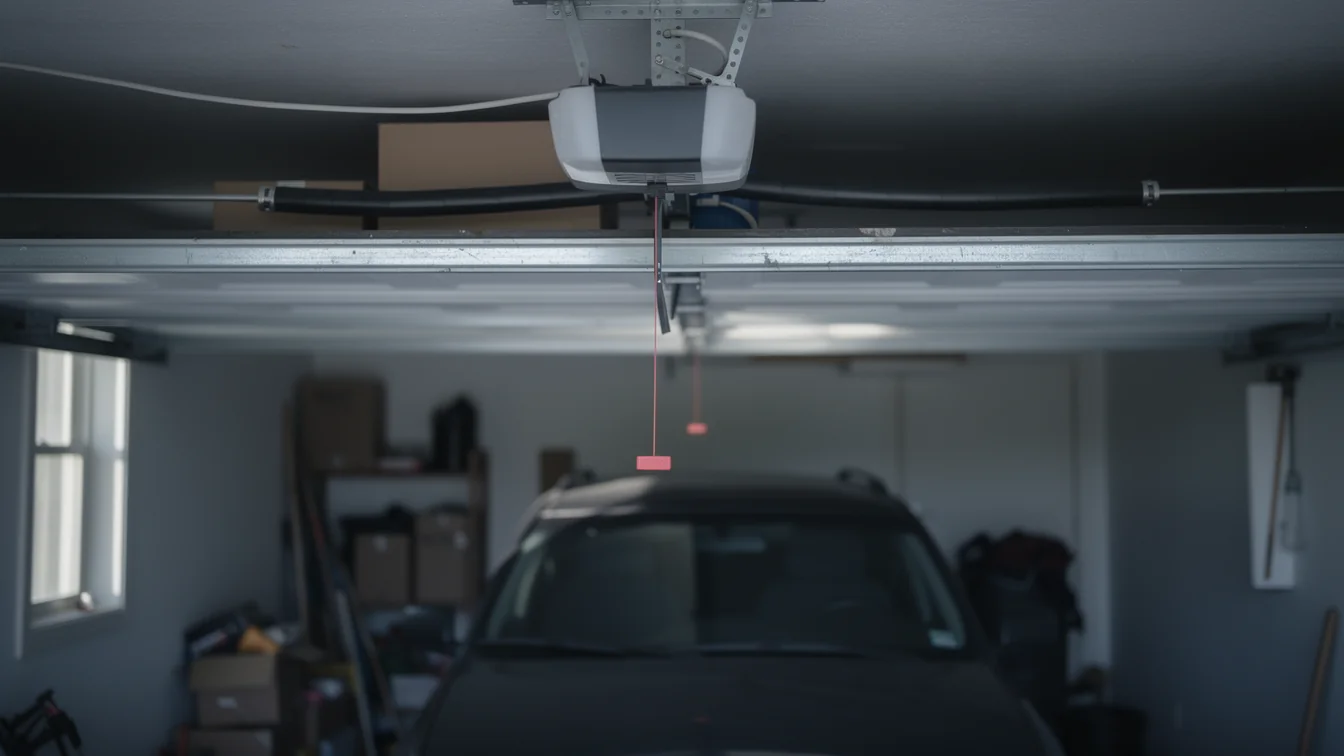
Richmond homes built 1972-2014 run openers now 10-50 years old.
Read more
Richmond garage door repair built around homes from 1972 to 2014, serving Cumings, Pleak, and Bridlewood Estates with service matched to local housing stock.
Read moreReady when you are
Richmond Garage Door Pros repairs and installs garage doors, springs and openers in Richmond, TX and the surrounding area.