
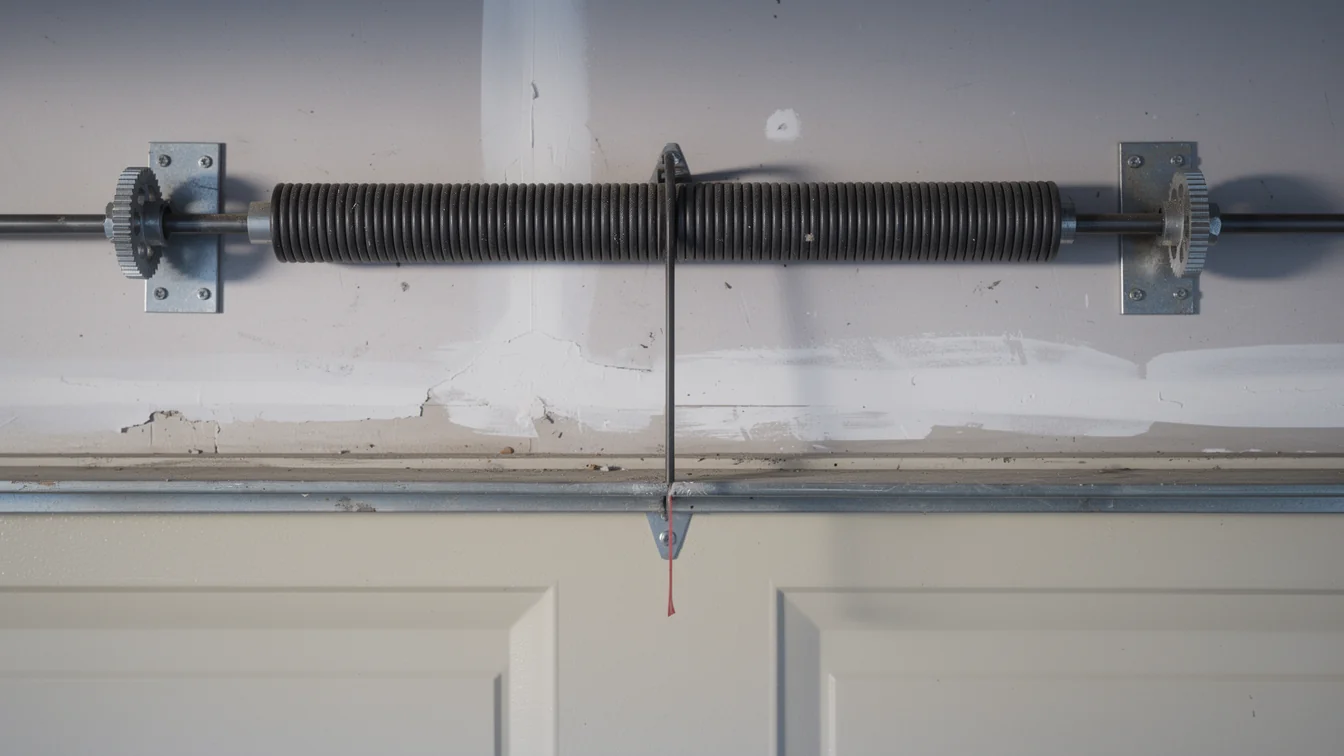
When a Richmond Garage Door Actually Needs a Call
Richmond homes built between 1972 and 2014 carry original hardware that's often overdue.
Read moreRichmond homes built 1972-2014 run openers now 10-50 years old. Here's when an opener failure or power cut means a call, not a YouTube fix.
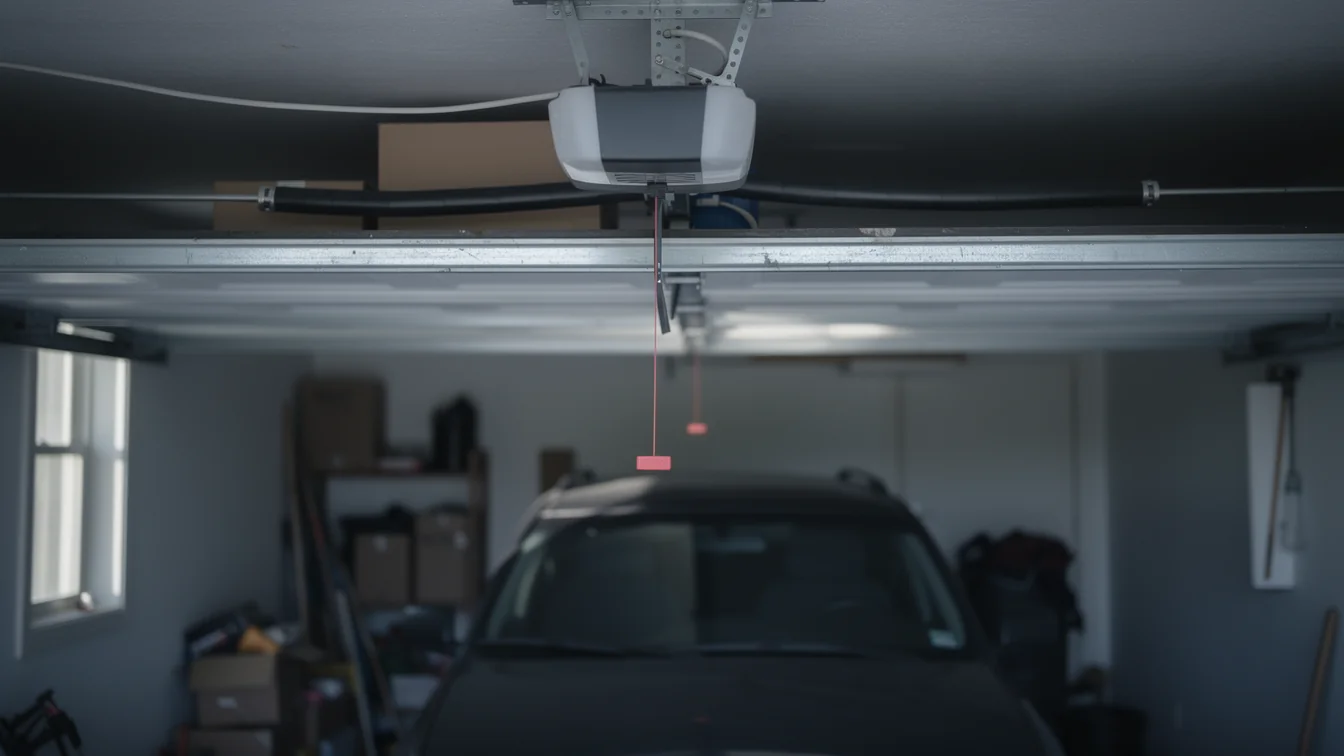
Local detail
If your opener grinds, hums without moving the door, or runs the motor and the door just sits there, that's not a settings problem - that's a gear, capacitor, or logic board on its way out. Most houses in this service area went up between 1972 and 2014, with the median build year around 1987. That means a huge share of openers out there are original units or first replacements, now pushing 25 to 50 years old. Chain-drive units from that era used mechanical limit switches and simple relay logic, not the circuit boards in anything made after the mid-2000s. When one of those fails, it's rarely a fuse. Call someone when the door reverses on its own with nothing blocking it, when the wall button works but the remote doesn't, or when you smell hot plastic near the motor housing. Don't keep hitting the button hoping it resets - that's how a stripped gear turns into a dead motor. One limitation worth saying plainly: if the opener is original to a house built in the 1980s, we may not carry an exact replacement part. At that age, swapping the whole unit is usually the honest answer, not patching a 40-year-old drive system.
The area
This area sits in a moderate heat climate band - not the extreme highs you'd get further west, but enough sustained summer heat to matter for anything with a circuit board sitting in an unconditioned garage. Logic boards in openers built after the early 2000s run warmer than their mechanical predecessors, and repeated heat cycling through the summer months is what eventually cracks solder joints or degrades capacitors. Older openers from the 1980s and 90s stock common across this area don't have that problem in the same way - they're mostly relay and spring-based - but their lubricants dry out and their chain tension loosens over a hot season faster than people expect. The seasonal bit isn't dramatic. It's just that garages here hold heat for months at a stretch, and an opener that's already 20-plus years old doesn't get a break to recover between hot days. A yearly check before the worst of the heat sets in catches drift before it becomes a stuck door at the worst possible time.
What we find
Put the housing age and the climate together and you get a specific pattern. With a median build year of 1987 across roughly 8,495 owner-occupied houses in the service area, a large slice of the openers out there were installed before battery backup was standard equipment, and before moderate-heat-rated components were common in consumer openers. That combination - older hardware, sustained warm-weather months - means two failure modes show up more than others: motors that overheat and trip their own thermal cutoff on long, hot afternoons, and gear sets that were never designed for today's heavier insulated doors, which didn't exist when a lot of these houses were built in the 1970s and 80s. If your door feels like it's straining the opener rather than the other way around, the opener is probably original to a lighter door that's since been swapped for something heavier. That's a mismatch, not a defect, and it's common enough across this stock of houses that it's worth checking the door weight against the opener's rated horsepower before replacing either one on its own.
How we work
Openers and power cuts are two separate problems that show up together. A power cut on its own just means the door won't open electrically - that's what the manual release cord is for, and every opener should have one. The real problem is when an older opener, installed before battery backup was standard, loses power and there's no backup at all, electric or manual-release-aware. With a median household income of $72,853 and roughly 12,455 households in the service area, most homeowners here aren't looking to replace a working opener just because it's old - and they shouldn't have to. But if your opener predates battery backup and you've had even one power cut leave the car stuck inside, that's worth fixing before it happens again, not after. A battery backup retrofit or a newer unit with one built in solves it without touching the door itself.
Questions
Not necessarily. If it's running smooth and reversing properly on an obstruction, an opener that old can keep going. The issue is usually parts availability once something does fail, and the lack of battery backup, not the age itself.
Heat cycling through the warm months loosens chain tension and dries out lubricant faster than cooler weather would, especially on units already 15-20 years old. It's rarely one cause - it's an older motor working harder in a hot garage.
No, a sudden power loss won't damage the opener itself. The problem is being stuck - if there's no battery backup and you don't know where the manual release cord is, the door stays shut until power's back.
Recommendation
More garage door guides for Richmond homeowners.
Richmond homes built between 1972 and 2014 carry original hardware that's often overdue.
Read more
Richmond homes built between 1972 and 2014 carry different hardware than new builds.
Read more
Richmond garage door repair built around homes from 1972 to 2014, serving Cumings, Pleak, and Bridlewood Estates with service matched to local housing stock.
Read moreReady when you are
Richmond Garage Door Pros repairs and installs garage doors, springs and openers in Richmond, TX and the surrounding area.