
Symptoms point to parts
None of these are random. A door that worked fine last month and now fights you every morning is telling you a specific part failed, not that the whole system quit.
Richmond, TX
Garage door stuck or grinding in Richmond, TX? We fix doors built on 1980s-90s hardware common across the area's 1972-2014 housing stock.
Symptoms
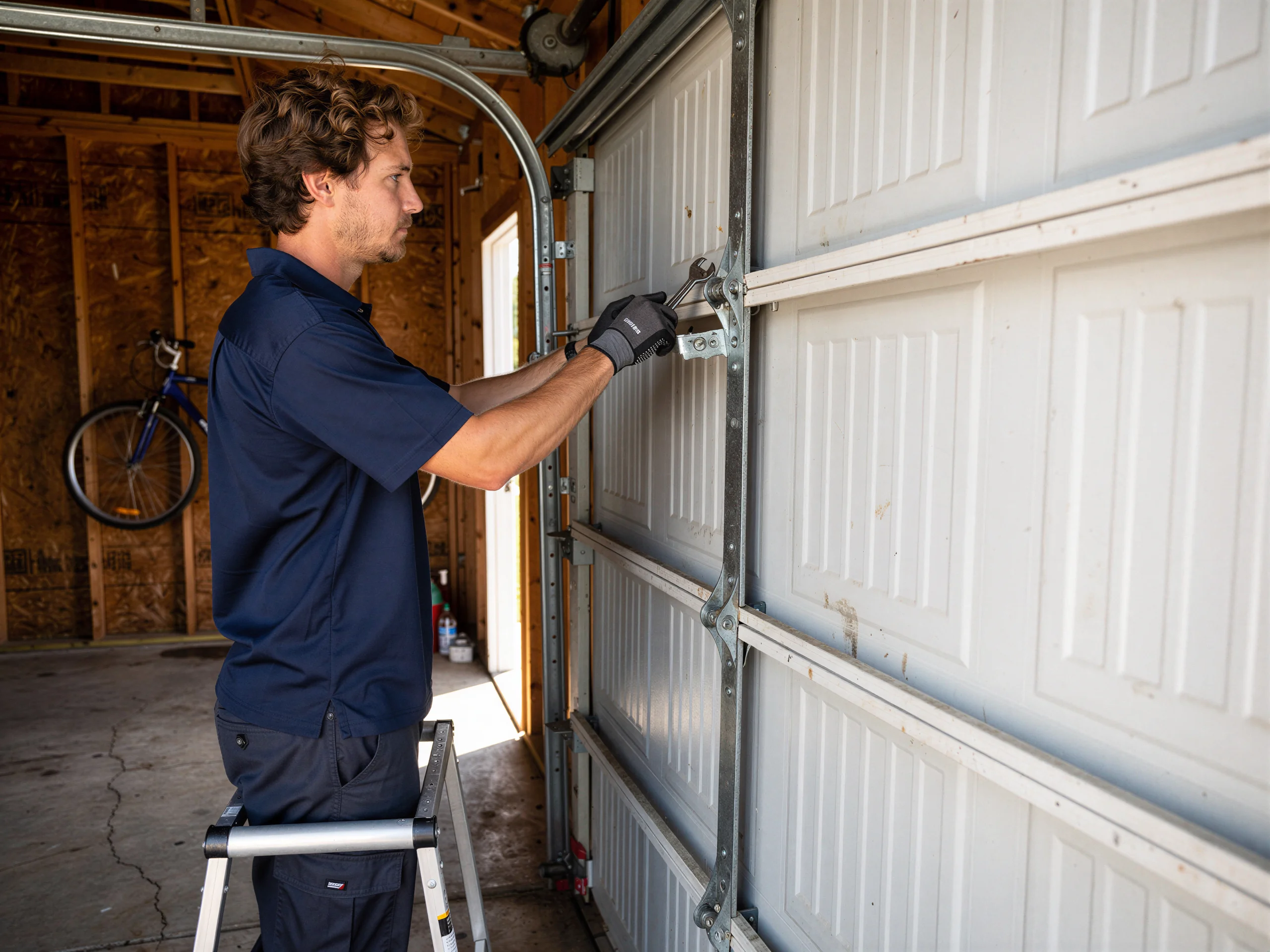
Your door hesitates halfway up, or it starts to close and reverses for no reason. Sometimes it's a grinding sound when the opener kicks on, or the door sits crooked in the track with one side higher than the other.
None of these are random. A door that worked fine last month and now fights you every morning is telling you a specific part failed, not that the whole system quit.
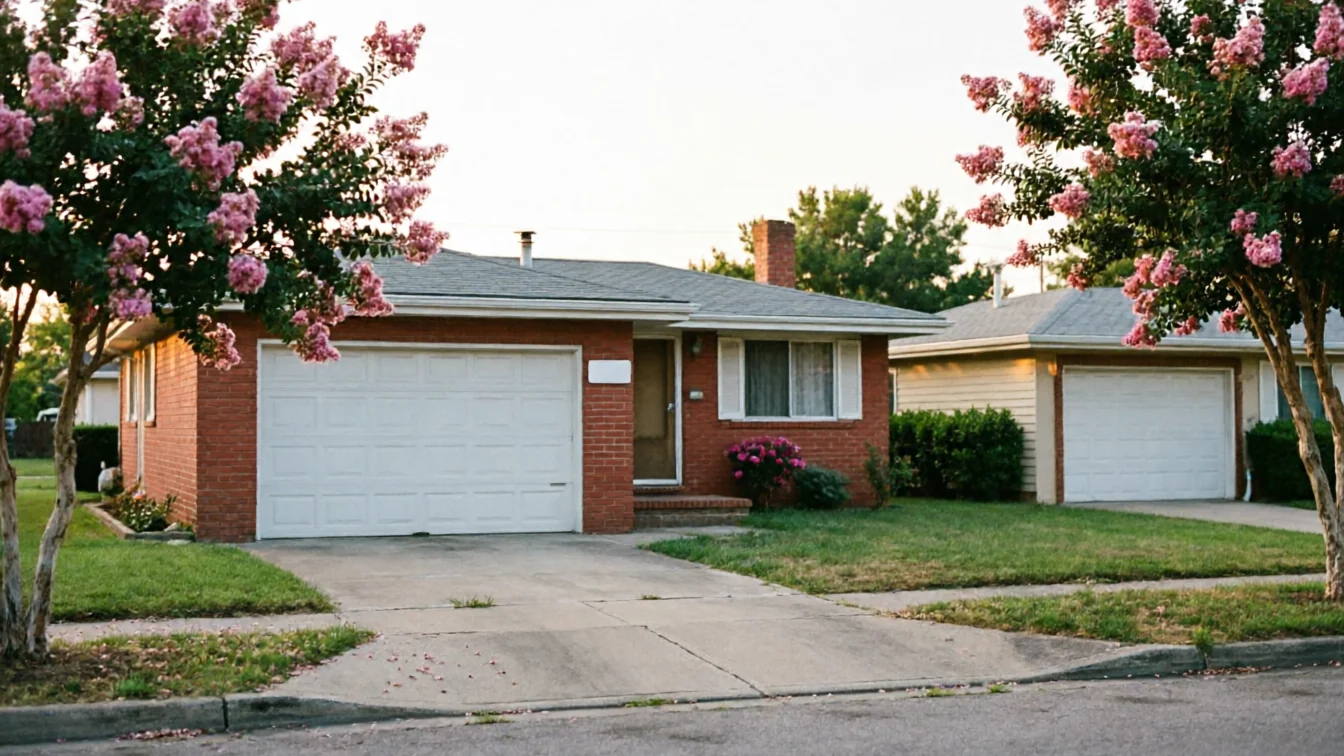
In Richmond, most of the doors we get called out for are original equipment, not replacements. Housing here went up mostly between 1972 and 2014, with the bulk of it dating to the 1980s and 90s across the area's thirteen named neighborhoods.
That means a lot of garage door hardware out there is thirty-plus years old, running on the same torsion spring and the same steel rollers it shipped with. When a symptom shows up, it's usually a part reaching the end of its rated cycle count, not a one-off glitch.
Watch-outs
The short list, in order of how often we see it: a torsion spring that's lost tension or snapped outright, nylon rollers that have worn oval and started binding in the track, a cable that's frayed off the drum, or an opener logic board that's aged out and started misreading the safety sensors. On older systems, the limit switches drift out of adjustment and the door either stops short or slams the floor.
Less common but real: bent track from a car bumping it, a bottom bracket that's rusted at the weld, or a center support bearing plate that's worn through. Each of these has a different fix and a different price point, and guessing from the symptom alone gets it wrong often enough that we don't quote blind over the phone.
Local causes
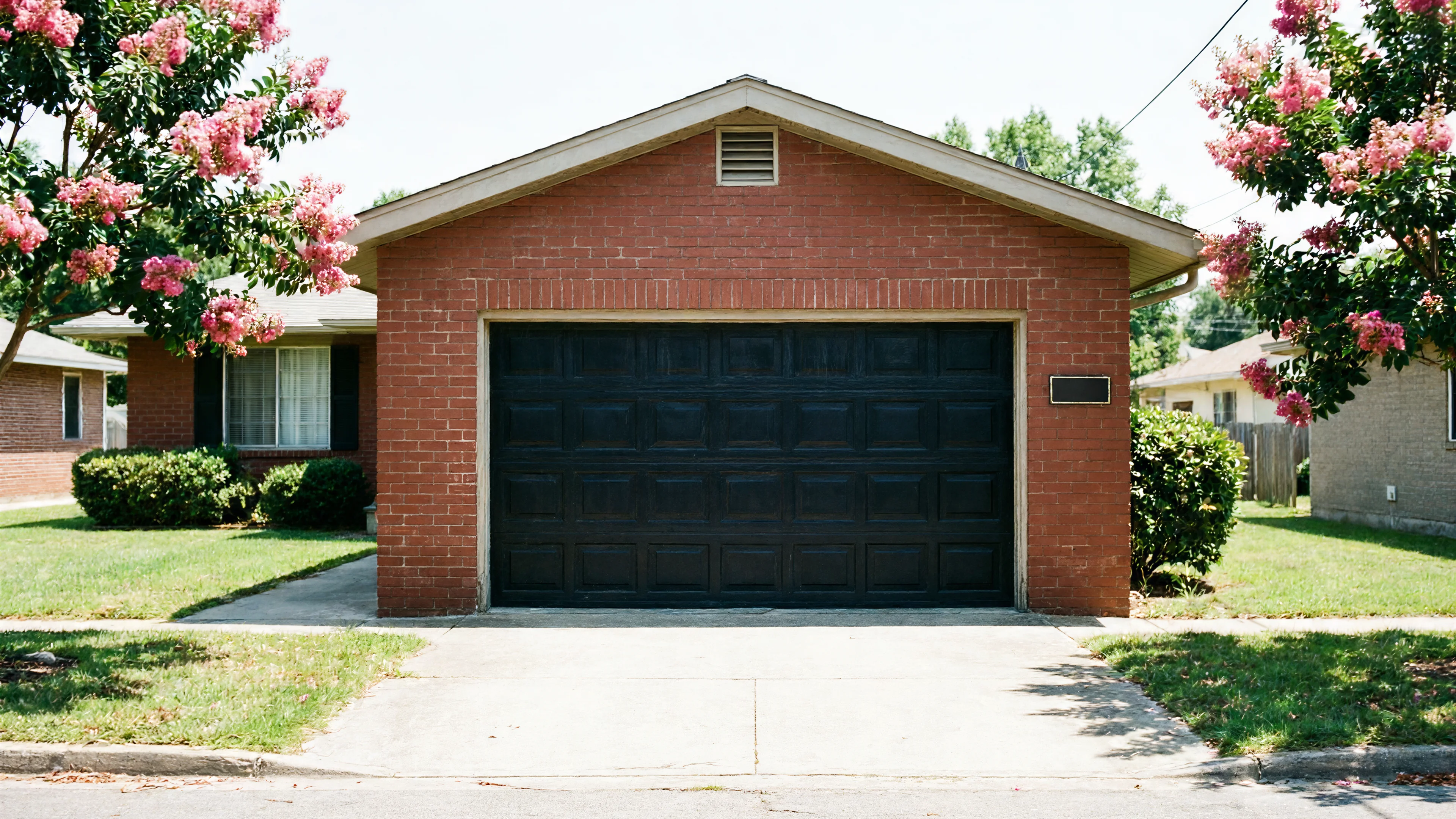
Richmond's housing stock matters here more than people expect. With most homes dating to the 1980s and 90s, a huge share of doors are on their original torsion spring and original rollers - parts rated for a cycle count that a daily-use suburban household burns through well before year thirty.
Newer subdivisions built closer to 2014 are catching up fast on the same wear curve. The climate band here is moderate heat, not the extreme swings that crack steel doors or warp wood panels the way they do further north or in true desert heat.
That's good news - it means the failures we see are mechanical fatigue, not weather damage. Springs lose tension gradually from cycle count and age, not from temperature shock.
So when a Richmond door fails, it's almost always because a part simply ran out of life, and on a house built in the 80s or 90s, that part has had three or four decades to get there.
Pricing
We can't give you a number without seeing the door - a snapped spring on a single door costs less than a logic board swap on a double door opener, and a bent track job depends on how far the damage runs. What we can tell you is that in a service area where median household income runs around $72,853, most of the repairs we do are the kind that make sense to fix rather than replace: springs, rollers, cables, sensors.
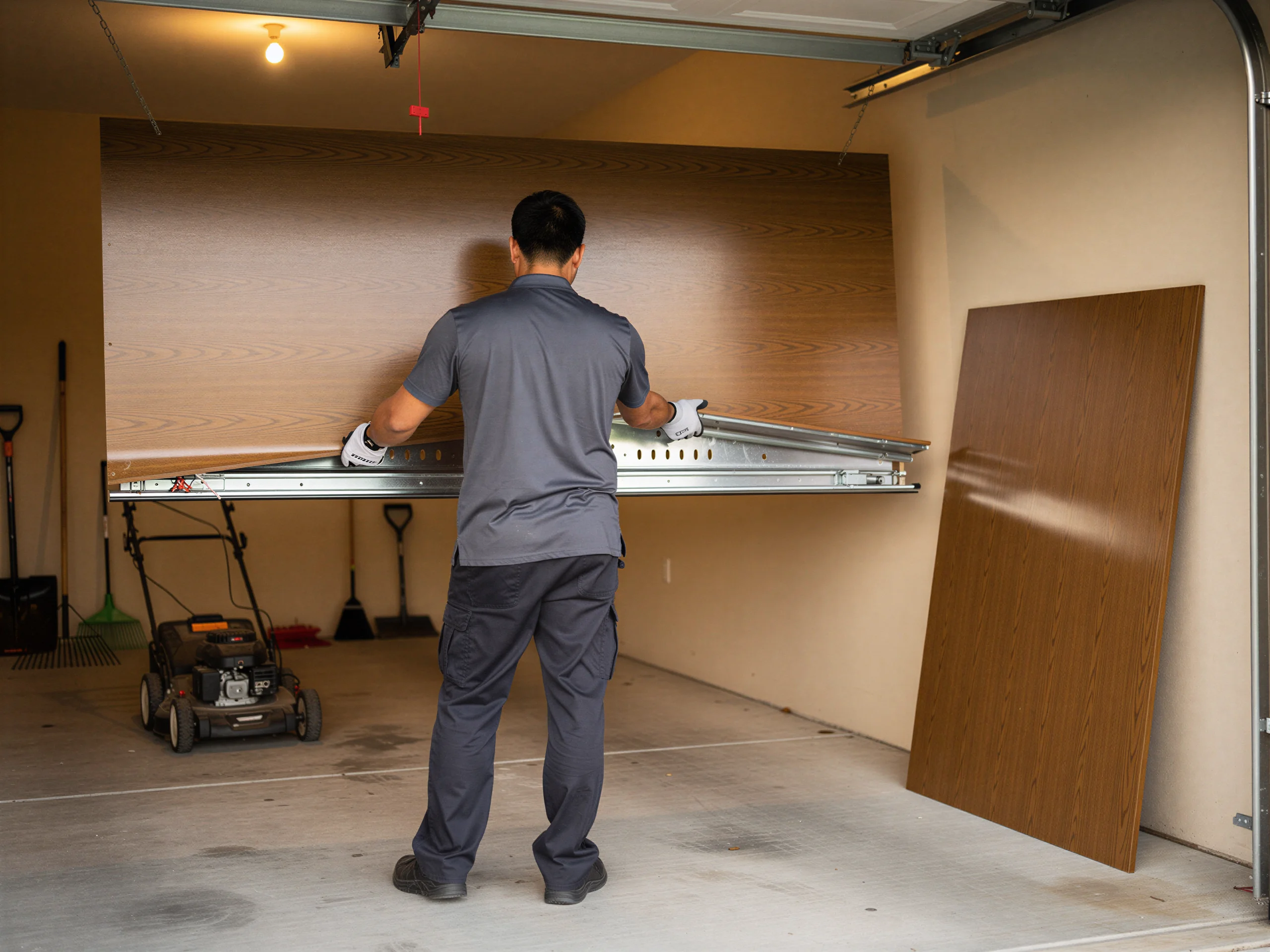
Where replacement beats repair is when the door itself - the panels - has rusted through or delaminated, which shows up more on original-equipment doors from the older end of that 1972-2014 range. If you're in that spot, we'll say so instead of patching something that'll fail again in a year.
Questions
Torsion springs are rated for a set number of open-close cycles, and most Richmond homes are running original springs from the 1980s or 90s. The spring doesn't wear out visibly - it just reaches its cycle limit and snaps, often on an otherwise ordinary day.
Not usually here. Richmond sits in a moderate heat band, not the extreme swings that crack panels or warp wood. Most issues we find are mechanical wear - worn rollers, fatigued springs, aging opener sensors - not weather damage.
If the panels are rusted through or delaminated, which we see more on original doors from the older end of the area's 1972-2014 housing range, replacement is usually the better call. If it's a spring, roller, or cable, repair almost always makes more sense.
Yes, we cover the surrounding area including Cumings, Pleak, Four Corners, Thompsons, Needville, Simonton, Kendleton, Brookshire, Arcola, East Bernard, Wallis, Bunker Hill Village, Piney Point Village, and Bridlewood Estates.
Explore more
Ready when you are
Richmond Garage Door Pros repairs and installs garage doors, springs and openers in Richmond, TX and the surrounding area.