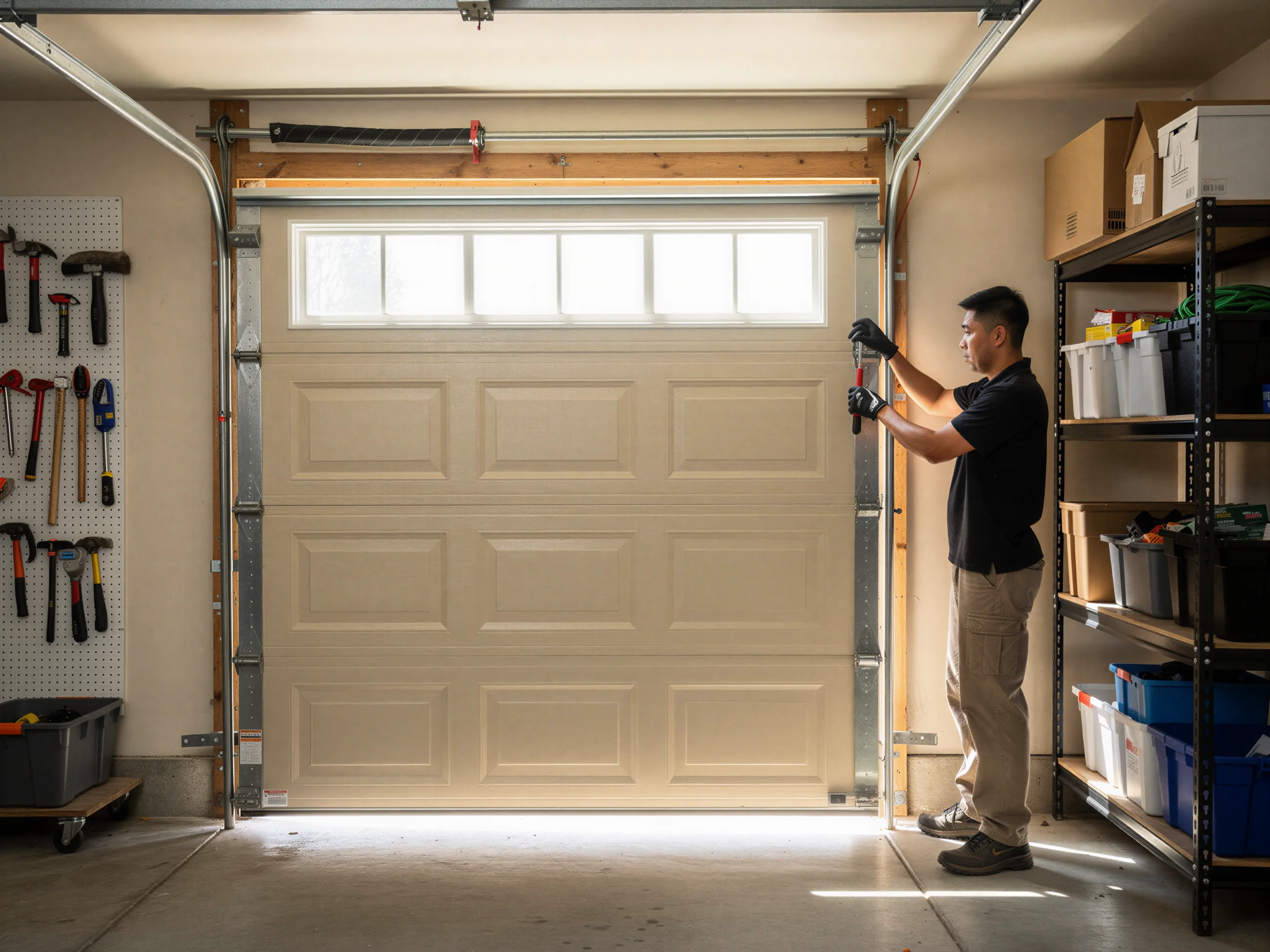
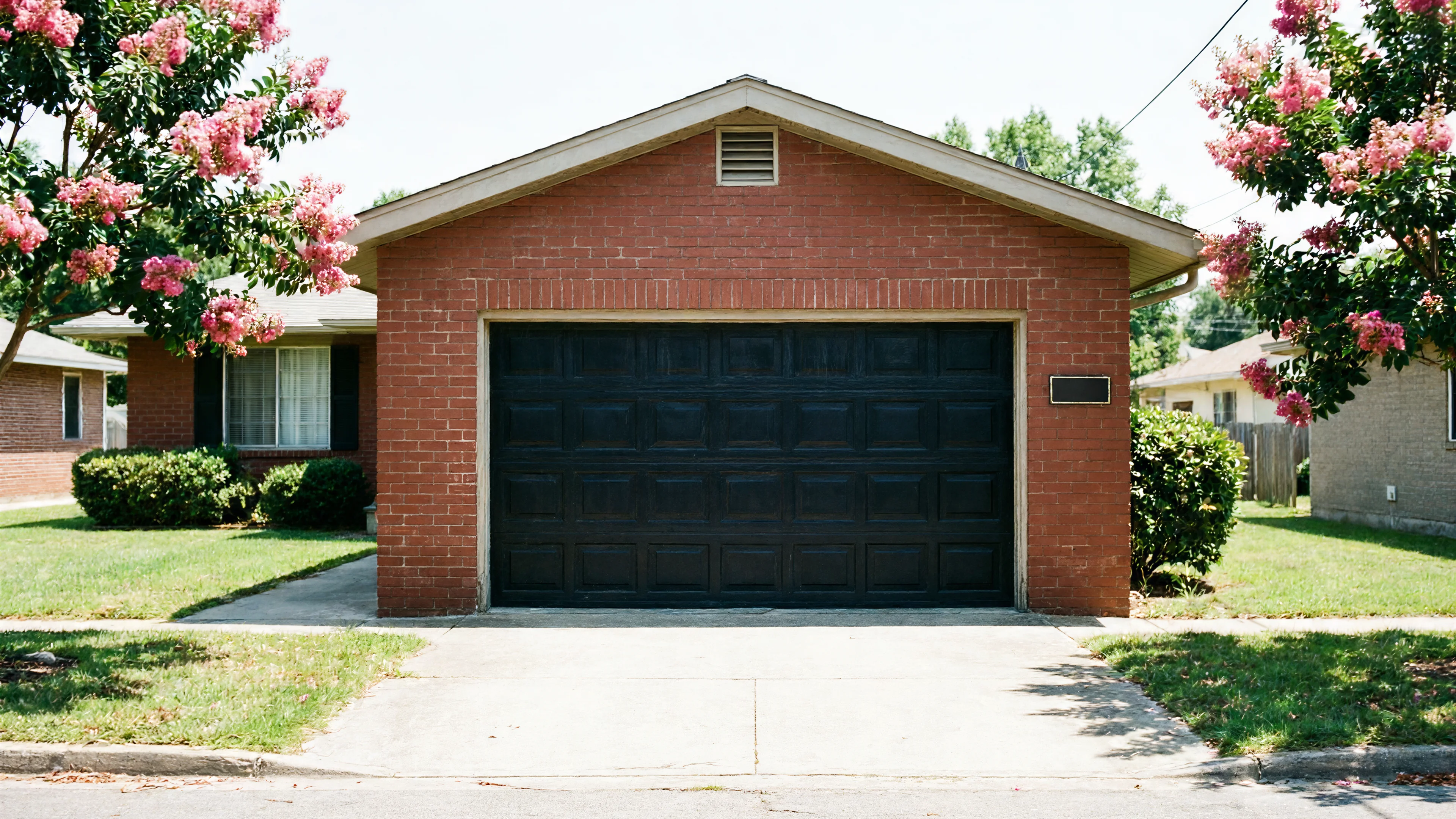
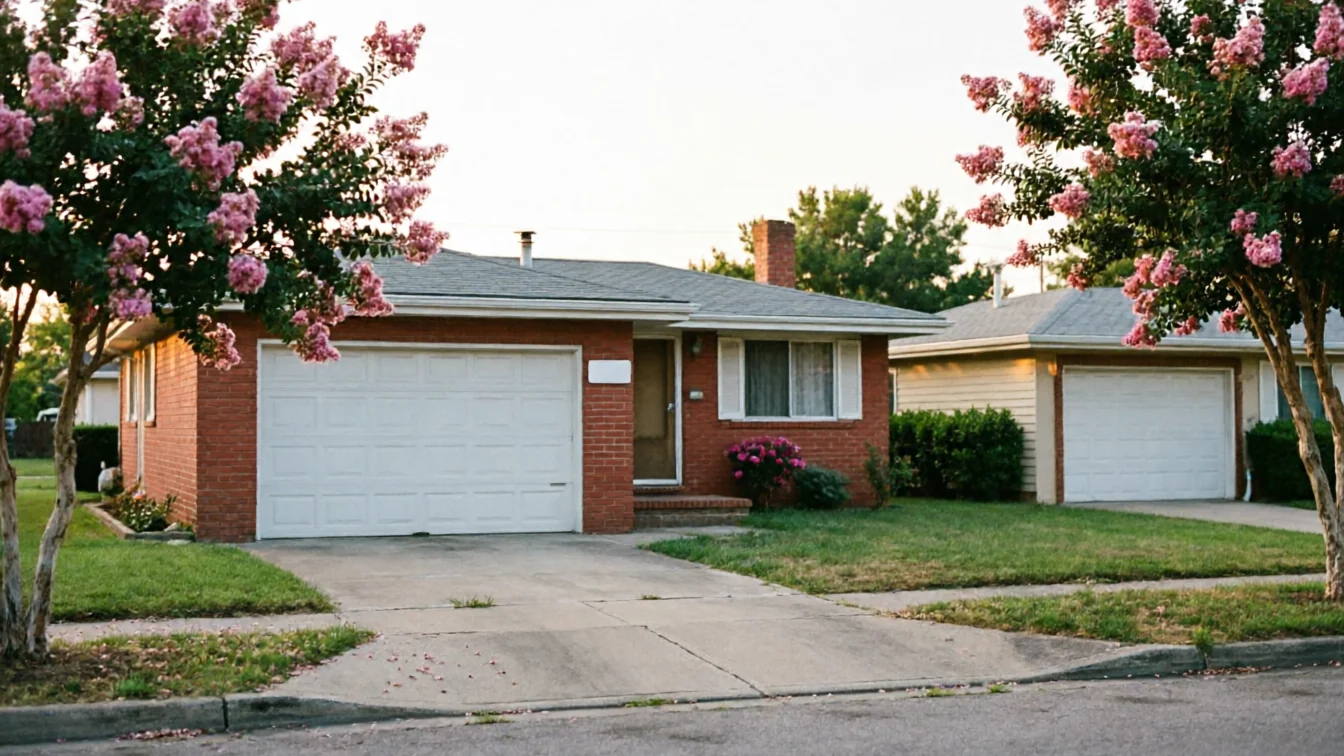
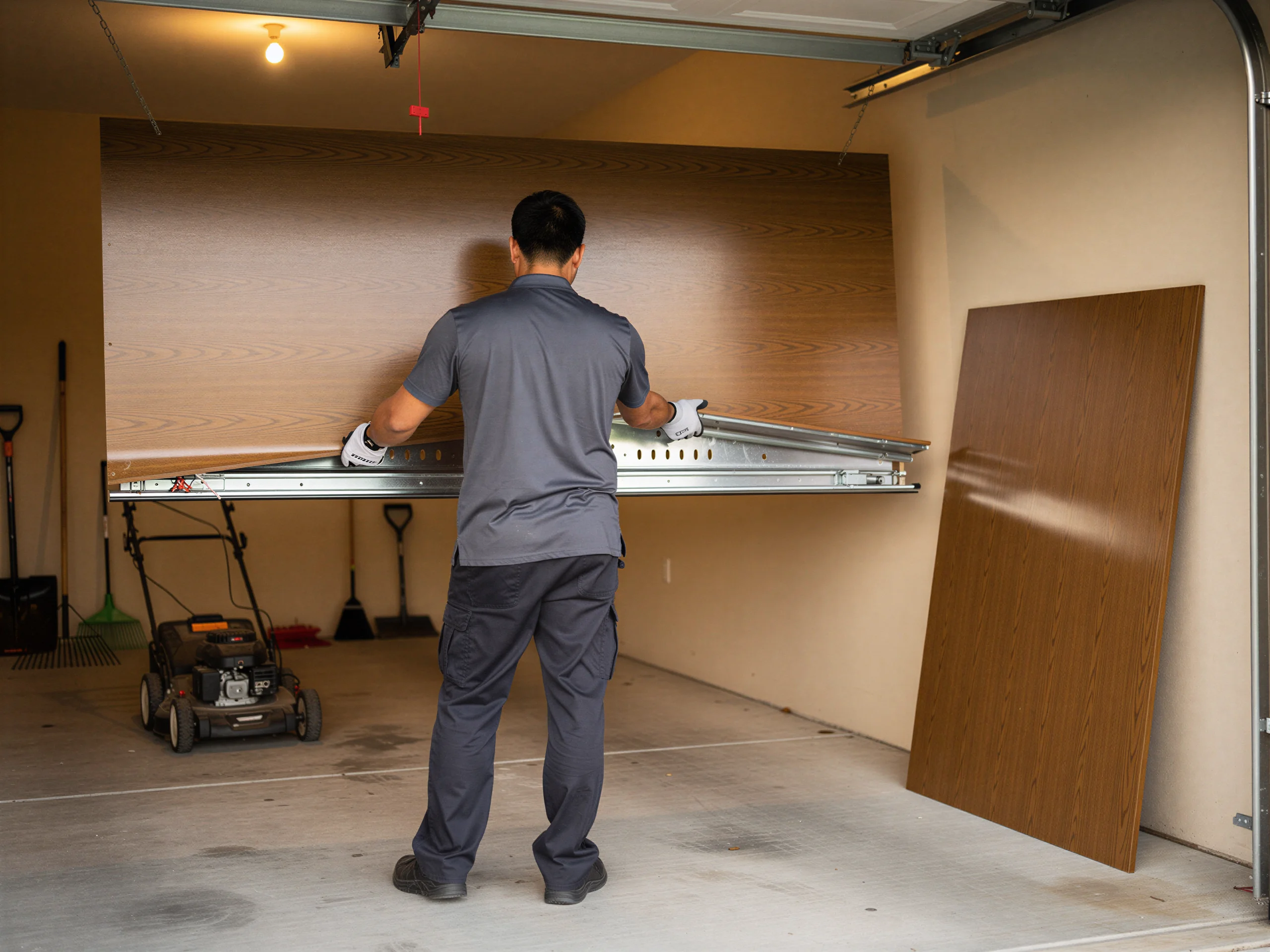
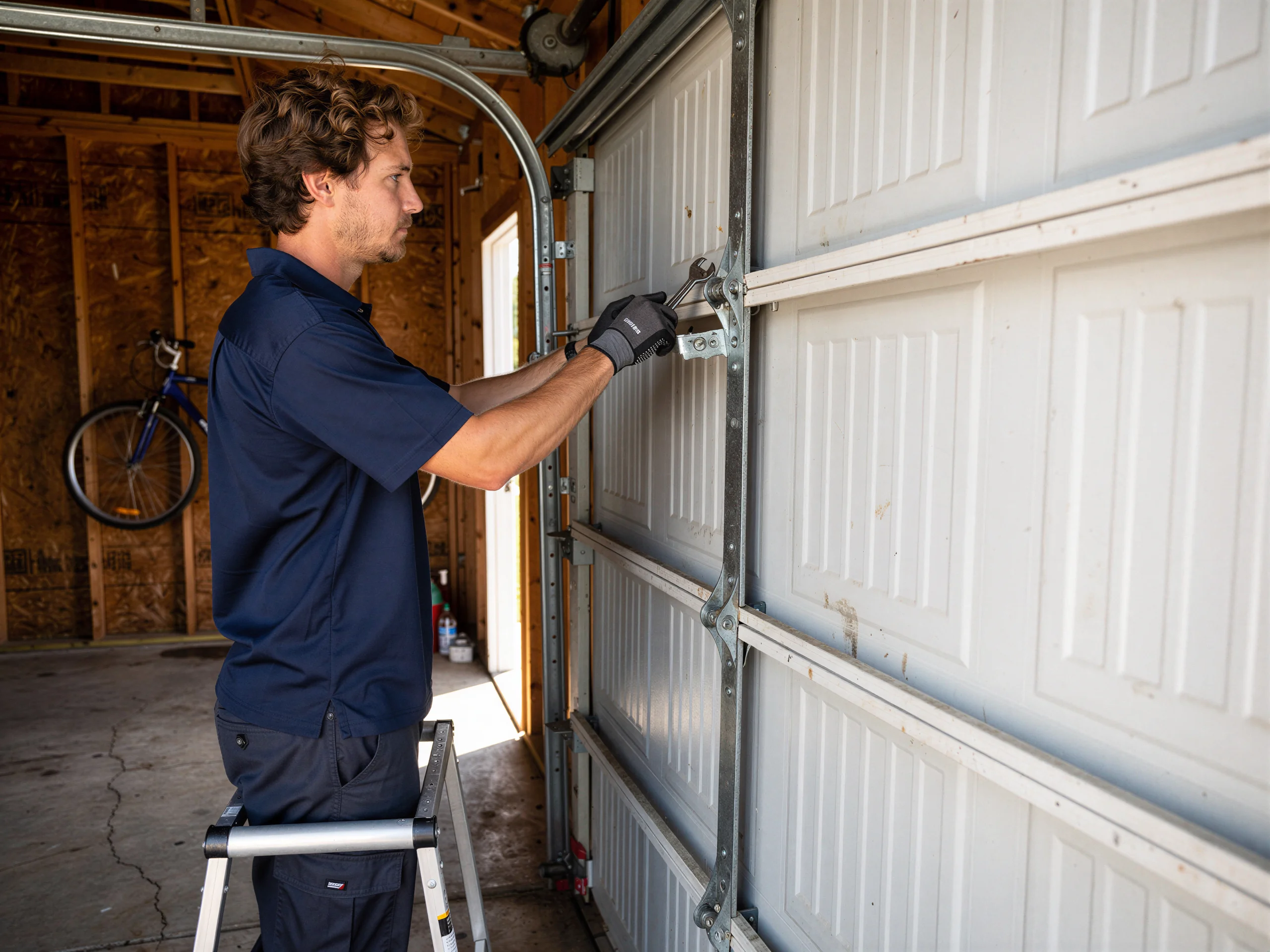
Richmond sits in a moderate heat climate band, which doesn't sound dramatic, but it means steady thermal cycling on the door and track rather than one extreme event. A door that expands and contracts through hot afternoons and cooler nights, year after year, wears differently than one in a climate with a single harsh season. Combine that with housing stock that's mostly 25 to 45 years old across the area's 13 named neighborhoods, and you get a predictable pattern: hardware designed for a shorter service life than the house it's bolted to has already outlasted.
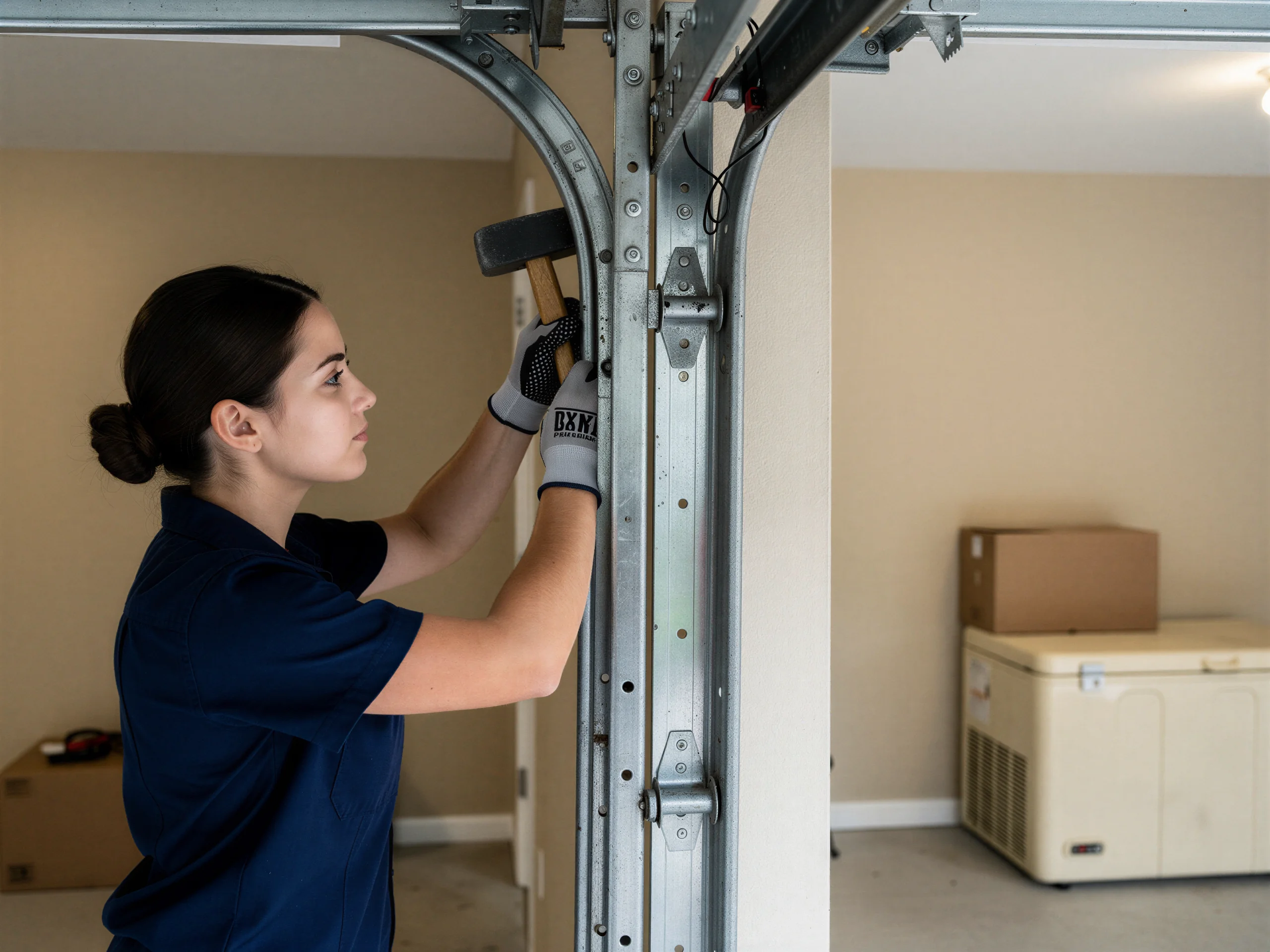
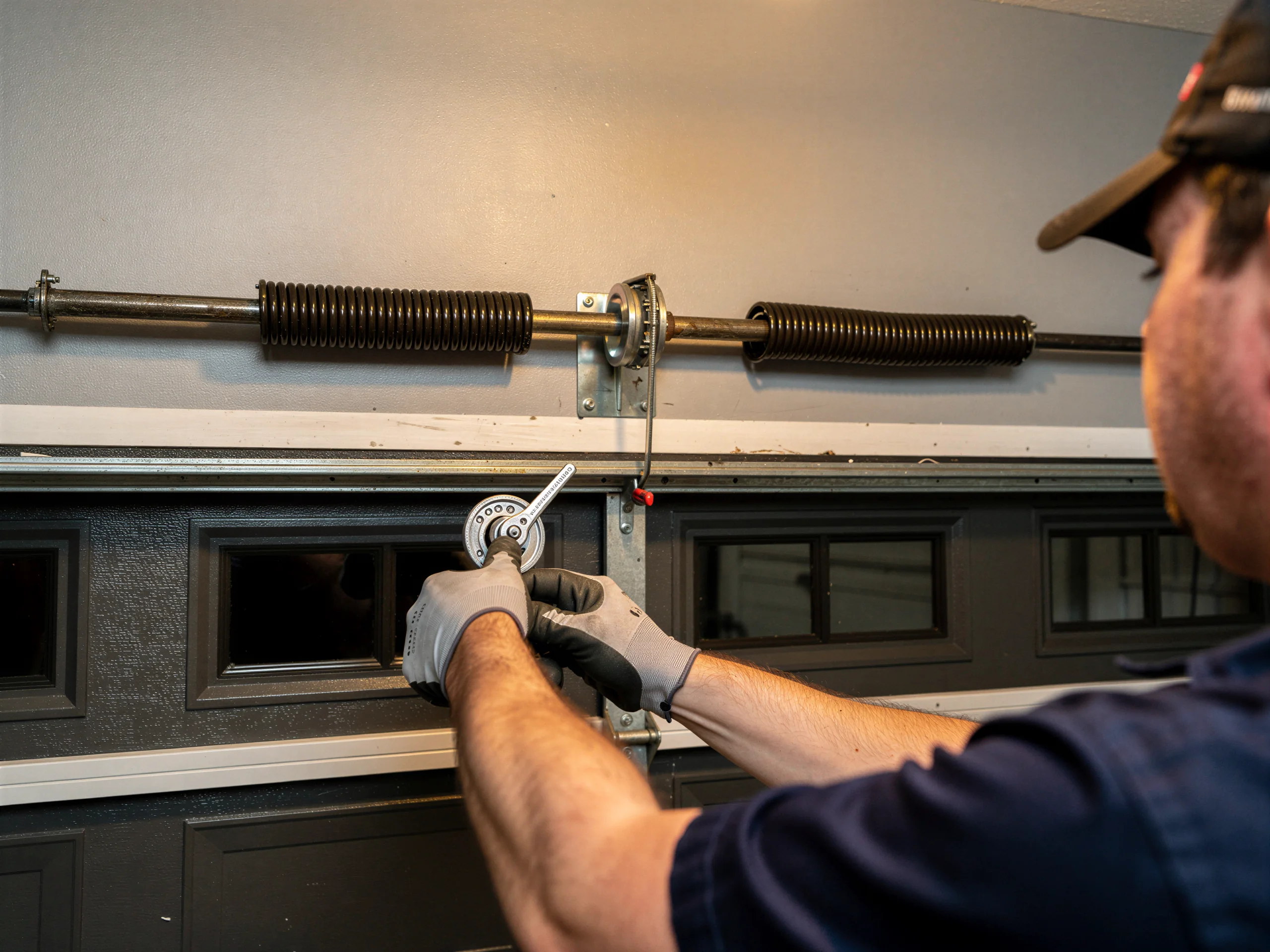
This isn't a defect in how these houses were built. It's just math - a spring rated for a certain number of cycles, installed in 1988, has had three and a half decades to use those cycles up. When we go out on an install call in this area, the first question isn't whether the old unit needs replacing. It's whether the opening itself, the studs and header around it, have shifted enough over that time that a new door needs shimming to sit right.