Housing across this service area mostly went up between 1972 and 2014, with the bulk of it clustered in the 1980s and 90s. That matters here specifically: a door installed on an 80s or 90s build is old enough that its original track brackets and rollers are long past their design life, but the house itself isn't old enough that anyone's replaced the hardware as part of a larger renovation. It's the awkward middle age where things fail but nobody's gotten to them yet.
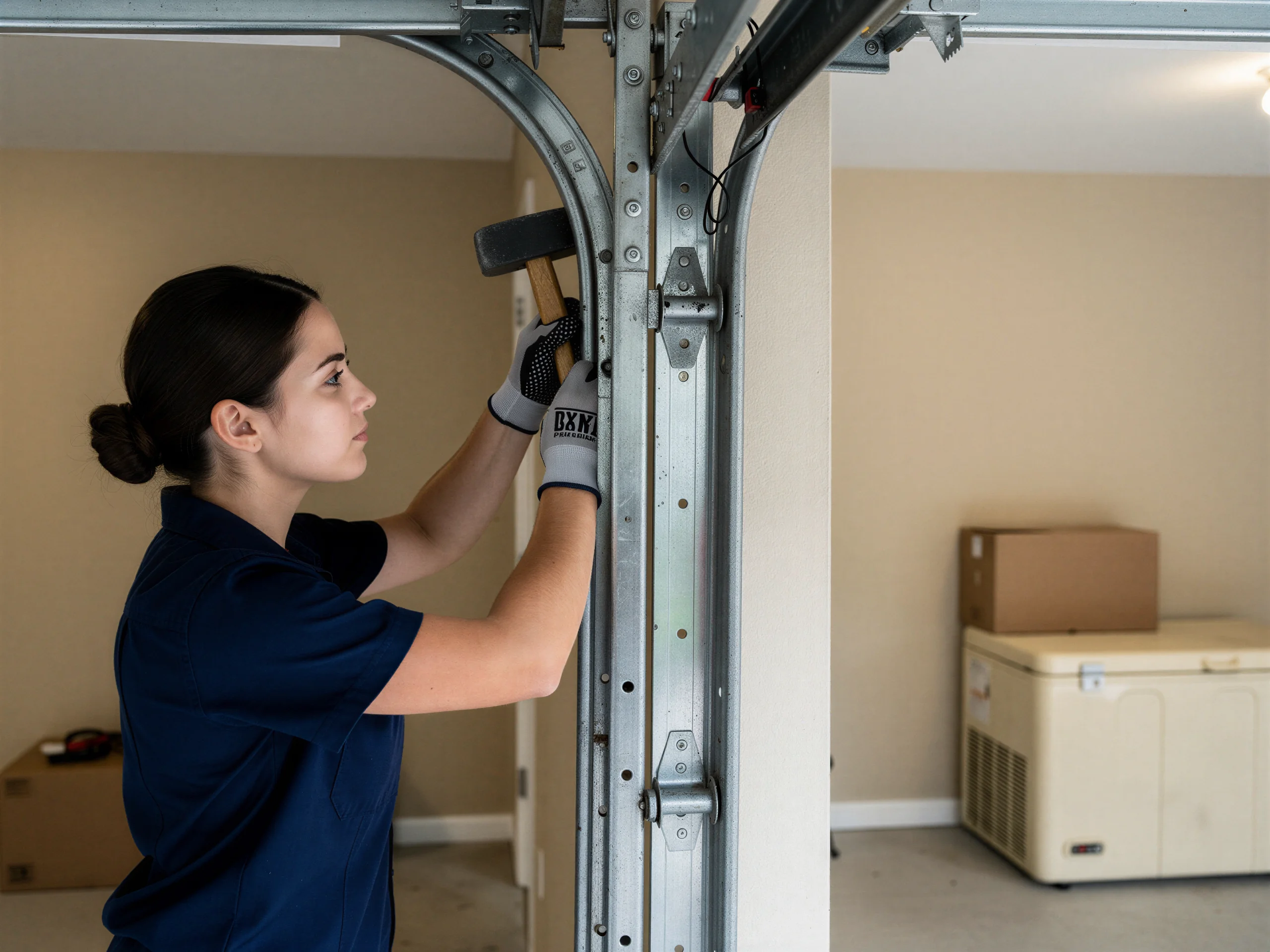
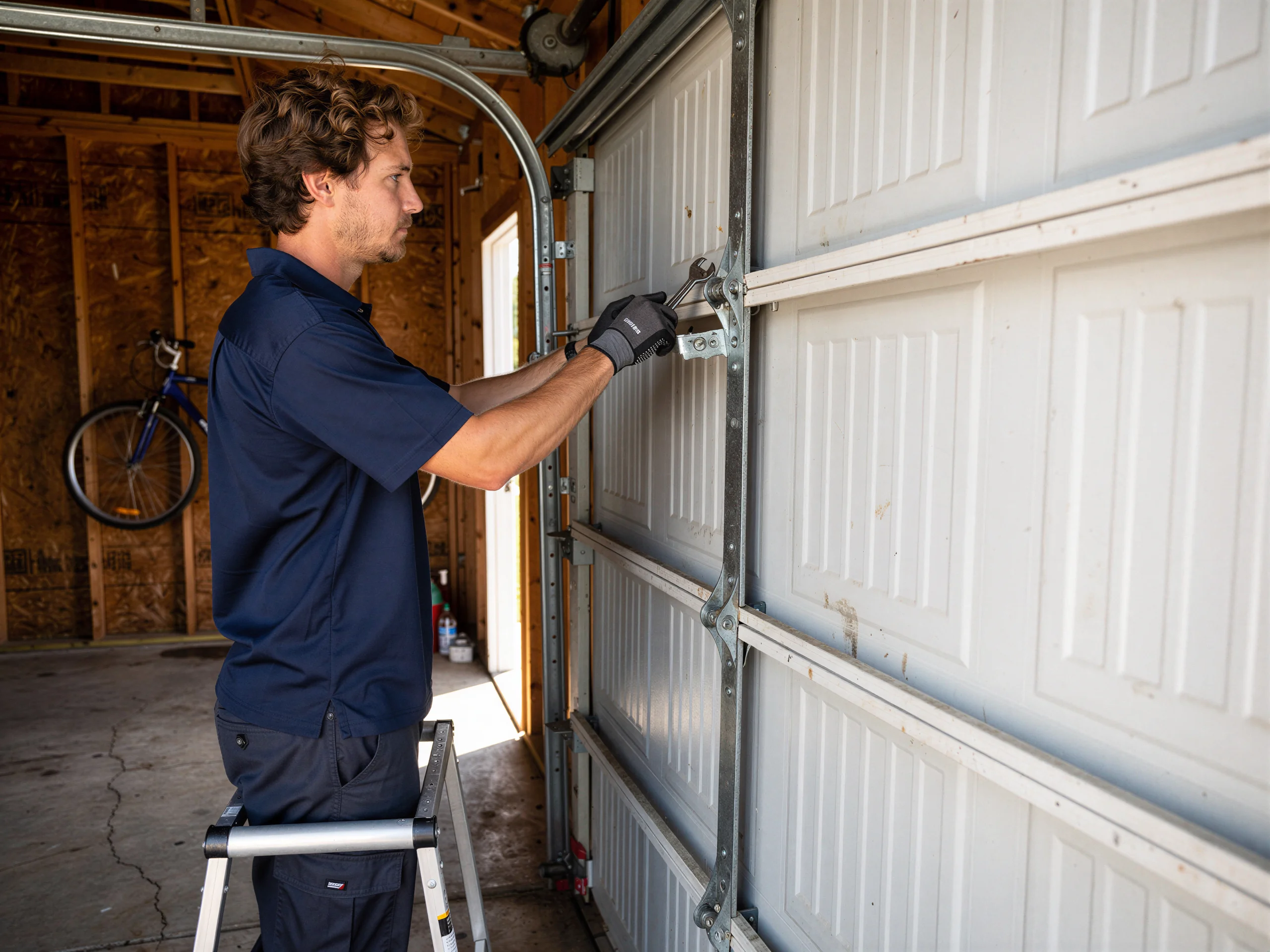
Add the climate. This area sits in a moderate heat band, and that means steady summer expansion and contraction in the metal track and its mounting hardware, year after year. Lag screws back out of the framing a fraction at a time. Track brackets that were torqued down correctly in 1988 aren't necessarily still tight in 2024, and nothing about that process makes noise until the bracket finally lets go under the door's weight.
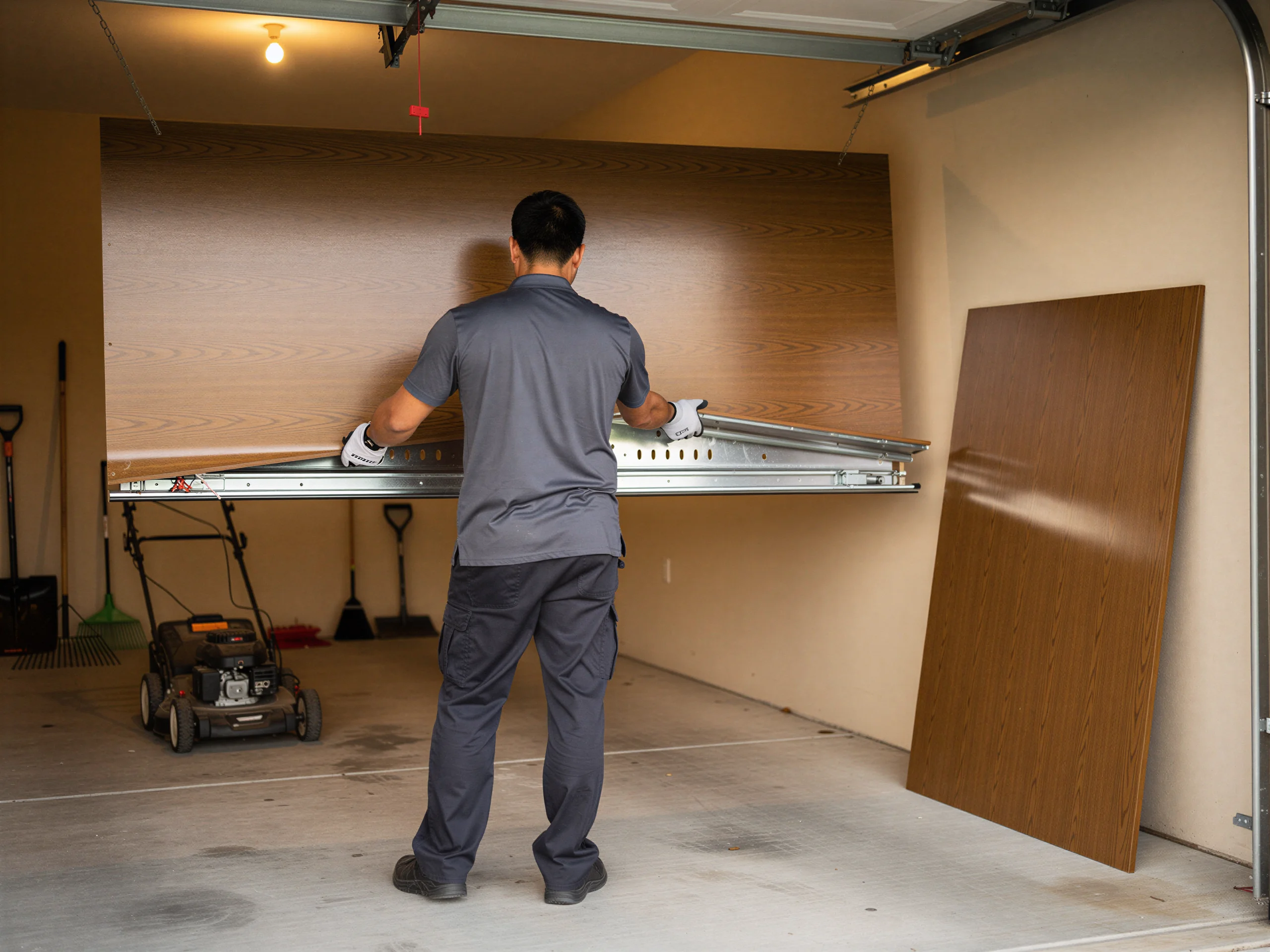
With a median household income of $72,853 across the area, most of the doors going in during that building boom were mid-weight steel sectional doors - not the heavier insulated models that tend to tolerate a slightly loose bracket longer before coming off track entirely.