
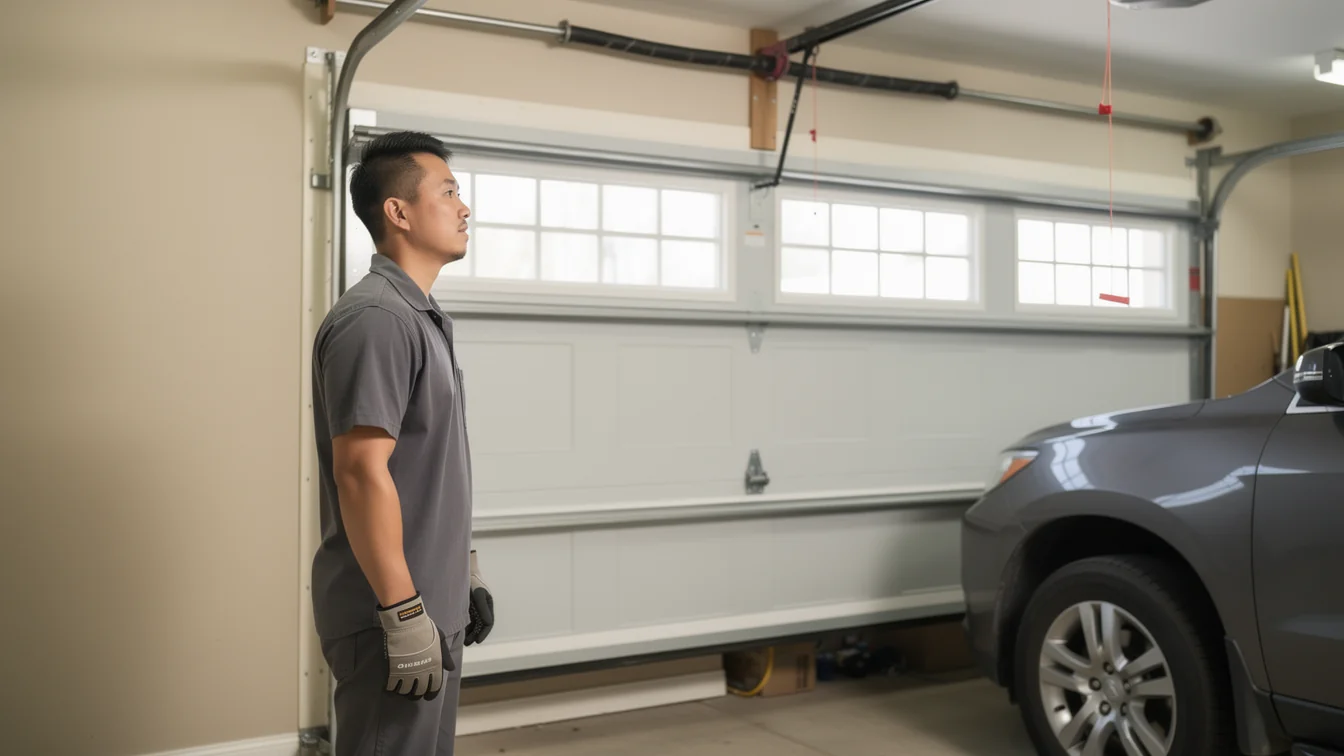
The Noise Your Garage Door Is Making Isn't Random
Richmond homes built between 1972 and 2014 carry different hardware than new builds.
Read moreRichmond homes built between 1972 and 2014 carry original hardware that's often overdue. Here's what the area's housing age and heat actually mean for your door.
Local detail
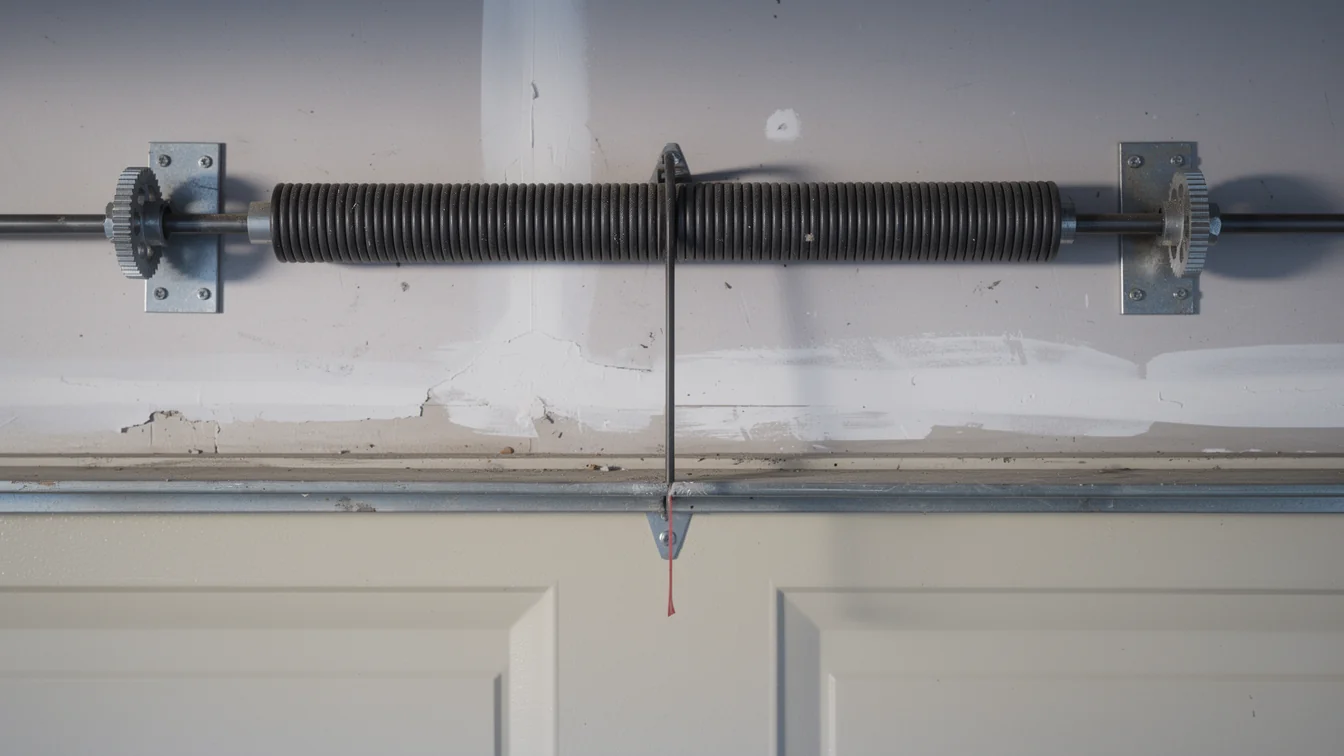
Most houses on this side of Richmond went up between 1972 and 2014, with the median build year landing around 1987. That matters more than people think, because torsion springs have a service life measured in cycles, not years, and a door opened twice a day for close to four decades has burned through that life more than once. If your door is shuddering on the way up, if the cable looks frayed where it wraps the drum, or if the door won't stay open without you holding the opener button, that's not a lubricant problem - that's a spring or cable at the end of its run. Call before it fails all the way. A spring that snaps under tension can bend a track or crack a panel on its way down, and that turns a $300 repair into a $1,200 one. If the door drops suddenly and won't budge, don't force it with the opener. Disconnect the trolley, deal with it by hand, and get someone out. That's the one call that shouldn't wait for a convenient afternoon.
The area
Richmond sits in a moderate-heat climate band, not a freeze belt, so we don't see the cold-snap spring failures that garages up north deal with every January. What we do see is heat fatigue. A steel torsion spring that spends July and August cycling through a garage that regularly sits well above 90 degrees loses temper faster than the same spring in a mild climate - the metal expands, contracts, expands again, thousands of times a season. Openers take it worse. The circuit boards in a builder-grade chain-drive unit, especially the models that went into 1980s and 90s construction here, weren't built for a garage that functions as a second attic. Capacitors and relay contacts fail early when they run hot for months at a stretch. If your opener hums, clicks, and does nothing come August, that's heat, not age alone, though age and heat together finish a unit fast. There's no cold-weather spring story to tell here - that's a different region's problem, not ours.
What we find
The service area covers a lot of ground - Cumings two miles out, Bridlewood Estates five miles southeast, Pleak and Four Corners eight to nine miles, and further communities like Needville, Simonton, Kendleton, Brookshire, Arcola, East Bernard, and Wallis all sitting in the fourteen-to-eighteen-mile range. Across that spread, the housing stock skews heavily 1980s and 90s, and it shows up in the hardware: the same half-horsepower chain-drive openers, the same steel sectional doors with roller tracks sized for builder-grade torsion springs, repeated house after house, neighborhood after neighborhood. That consistency is useful. It means a tech who's worked on one 1988-built house's door has a good read on what's inside the next one down the street, whether that street is in Richmond proper or out toward Simonton. It also means parts demand follows a pattern - certain spring sizes and opener logic boards come up again and again because so much of the stock went in during the same twenty-year window.
How we work
Here's the limitation worth saying out loud: not every door on a house built before 1987 is worth repairing. At some point a steel door with enough rust at the bottom panel, riding on hardware from the original build, costs more to keep patching than to replace outright. With a median household income of $72,853 across the service area, most owners are making a real cost call, not an emotional one - a $300 spring swap is the right move on a door that's structurally sound, but sinking that same money into a door that's already warped or a track that's bent beyond adjustment just delays the inevitable. We also don't stock every obsolete part. Some of the openers and spring sizes that went into homes built in the early 1970s aren't something we keep on the truck, and getting an exact-match part can mean a short wait. We'll tell you straight when that's the case instead of swapping in something that's close enough but wrong.
Questions
Richmond's climate band runs moderate-heat, and a garage that holds onto that heat all day puts real stress on torsion springs and opener electronics. The metal fatigues faster through repeated hot-cycle use, and circuit boards in older chain-drive openers run hotter than they were designed for. It's heat fatigue, not cold, that drives most late-summer calls here.
Depends on the age and the fault. If it's a builder-grade chain-drive unit from the 1980s or 90s stock common in this area and the board's cooked, replacement usually makes more sense than chasing parts for a 30-plus-year-old logic board. A clean mechanical fix - gears, sensors, limit switches - is usually worth doing on anything still running sound.
If the house was built in the median range around 1987 and nobody's mentioned a spring replacement, odds are it's been swapped at least once already given typical cycle life. Look for a mismatched coil color or a sticker with a recent date near the drum. No sticker and visible rust usually means it's old and due.
Yes - the service area extends out to communities like Pleak, Four Corners, Needville, Simonton, and several others in the fourteen-to-eighteen-mile range, plus closer-in spots like Cumings and Bridlewood Estates. Travel distance can affect scheduling on the same day, so it helps to say where you're located when you call.
Recommendation
More garage door guides for Richmond homeowners.
Richmond homes built between 1972 and 2014 carry different hardware than new builds.
Read more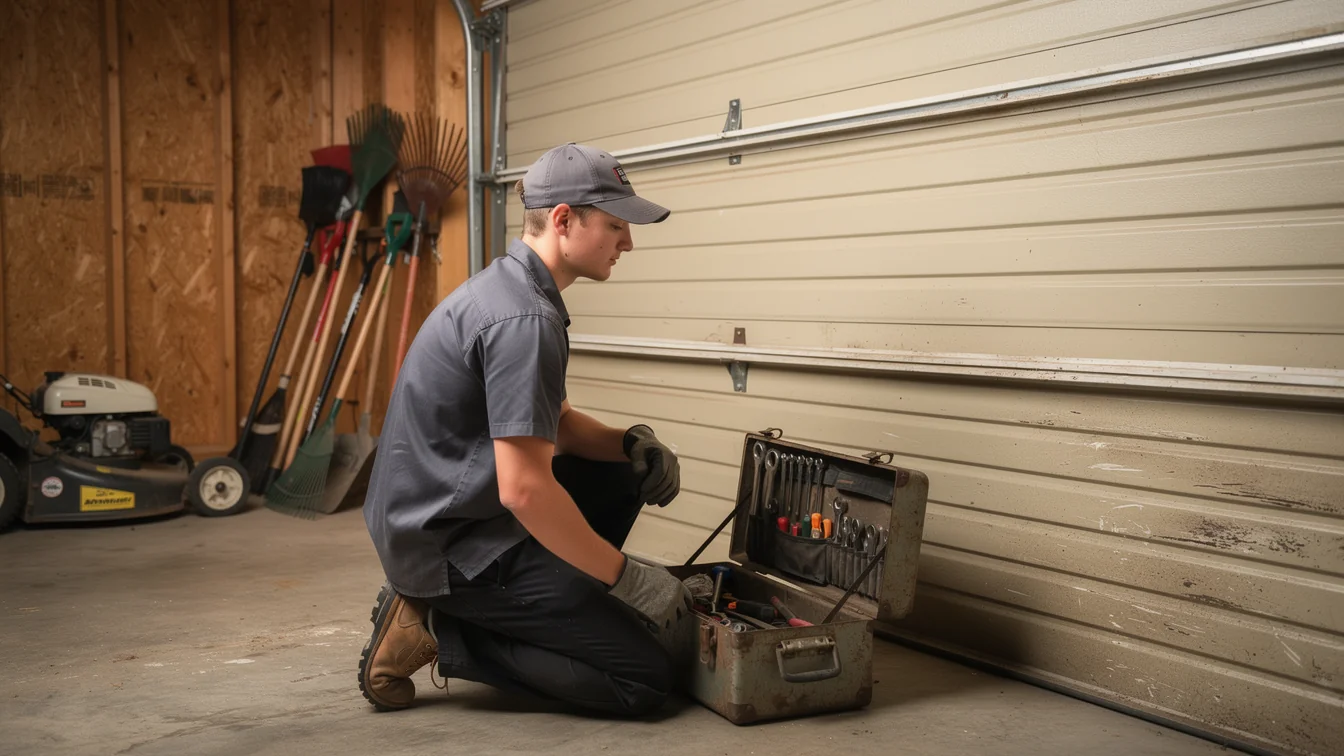
A look at what a Richmond Garage Door Pros service call actually includes, tied to the area's 1972-2014 housing stock and moderate heat climate band.
Read more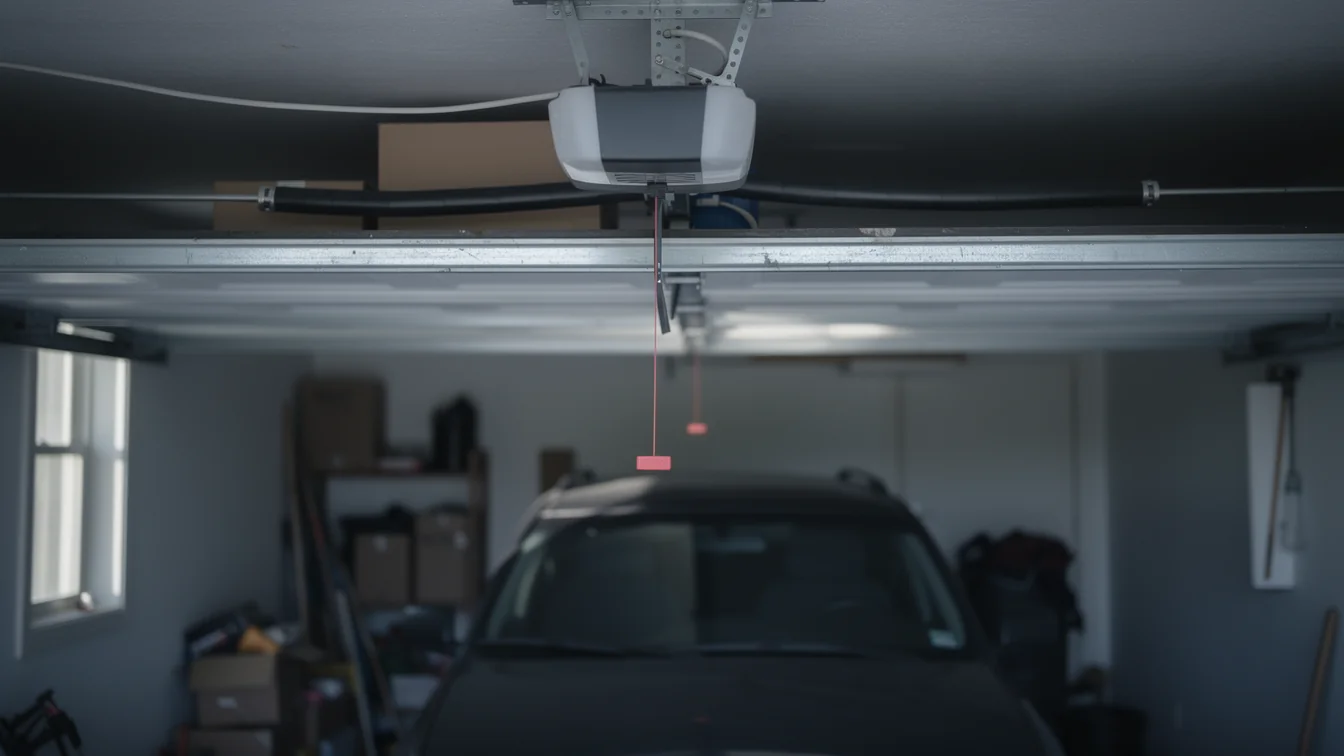
Richmond homes built 1972-2014 run openers now 10-50 years old.
Read moreReady when you are
Richmond Garage Door Pros repairs and installs garage doors, springs and openers in Richmond, TX and the surrounding area.