
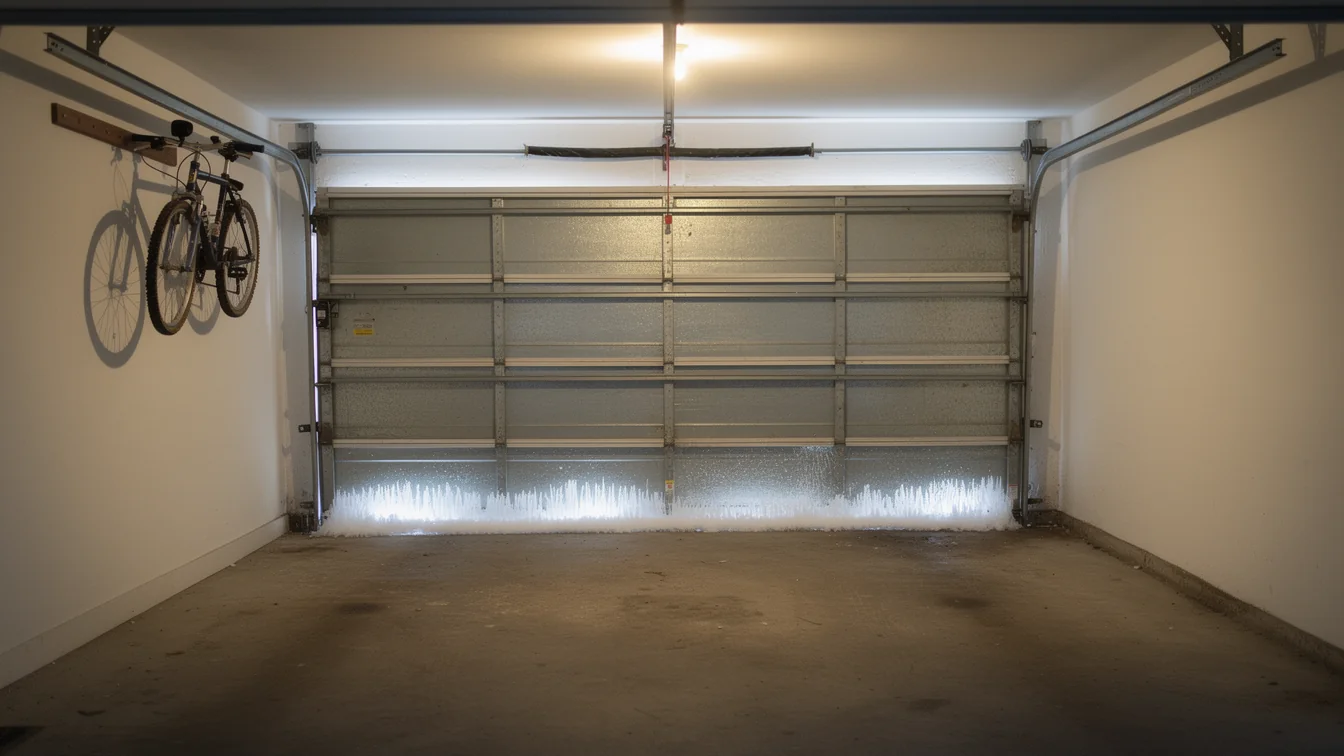
Garage Door Service for Richmond's 1972-2014 Housing Stock
Richmond garage door repair built around homes from 1972 to 2014, serving Cumings, Pleak, and Bridlewood Estates with service matched to local housing stock.
Read moreRichmond homes mostly date 1972-2014, median 1987. Richmond Garage Door Pros explains when a door from that era is worth repairing versus replacing.
Local detail
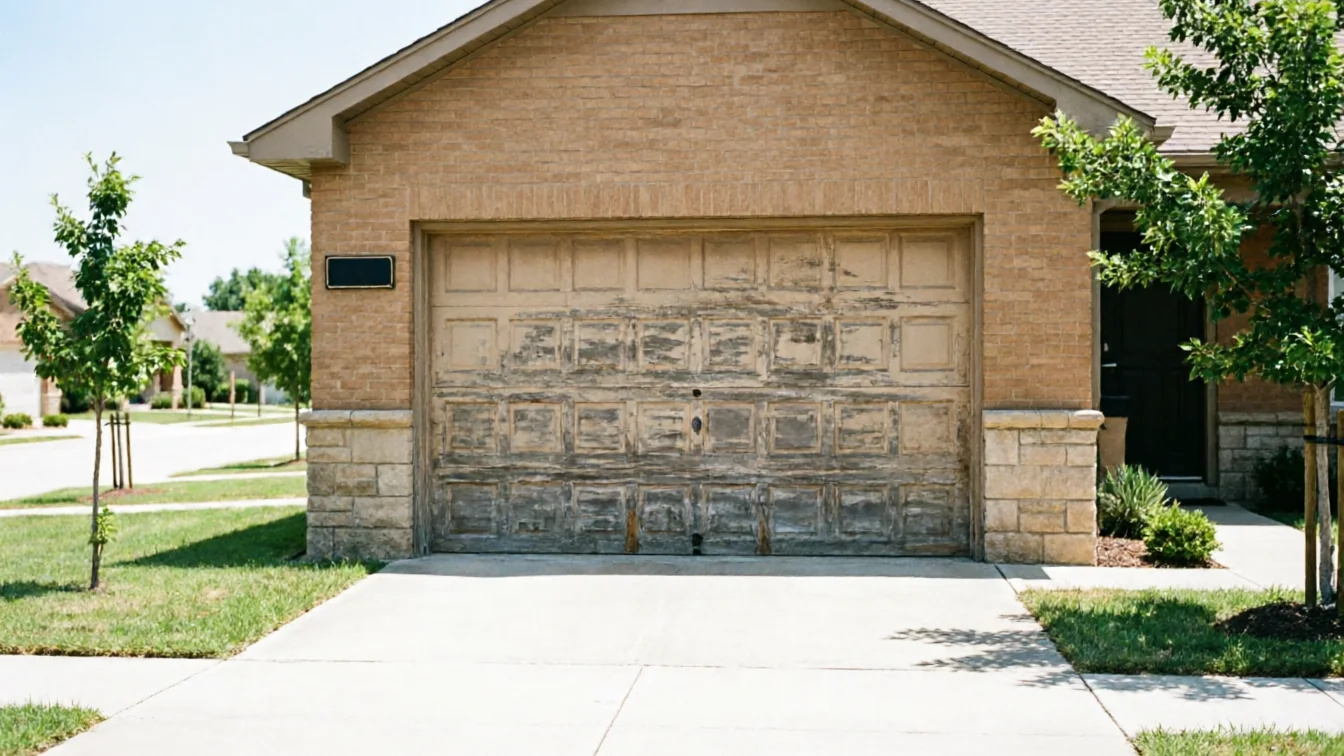
Most houses across the Richmond service area went up between 1972 and 2014, with the median build year sitting around 1987. That spread matters because it means a lot of doors out there are original to the house or close to it - pushing 35 to 40 years old. A door that age has usually gone through a few openers, a couple of spring replacements, and whatever panel damage happened along the way.
Call when the door is slow to respond, when the opener grinds before the door moves, or when a spring has already broken once and you're hearing a new noise from the other one. Don't wait for a cable to snap on a two-car door - those lift a lot of weight and a sudden drop is a real risk to a vehicle or a person standing nearby.
We won't tell you every call needs a truck out same day. If the door still opens and closes smooth and the only issue is cosmetic, that's a job that can wait until it's convenient for you, not us.
The area
Richmond sits in a moderate heat climate band, not the kind of punishing summer swing that cracks wood doors or warps steel skins the way drier, harsher inland climates do. That's a real point in favor of fixing rather than replacing an older door here - the hardware wears out from age and use, not from the weather beating on it.
What moderate heat does do is work on rubber and nylon parts slowly and steadily: weatherstripping along the bottom seal, rollers, and the bushings inside a worn opener gear. None of that is dramatic. It just means a door built in the late 1980s or 1990s, which covers a lot of this area, has had three decades of that slow wear with nobody necessarily tracking it.
If your door was installed anywhere near the median 1987 build year for this area, the seals and rollers are very likely original or close to it, even if the spring was swapped out at some point along the way. That's usually the cheapest, most worthwhile fix on a door this old.
What we find
With housing stock concentrated in the 1980s and 90s across the 13 named areas that make up this service territory, we see a lot of repeat patterns rather than one-off oddities. Doors from that era commonly ran on torsion springs sized for lighter steel panels than what's sold today, and openers from the same period often predate the safety reversal sensors that are now standard.
An opener without working safety sensors is worth replacing outright, not patching - that's not a judgment call, it's a safety one. But the door panel itself, if it's not dented or delaminating, usually still has life in it. A new spring set and a serviced track can carry an original panel for years more.
With 8,495 owner-occupied houses in the service area and a median household income of $72,853, most of what we see is homeowners trying to get a fair number of years out of equipment they already paid for once, rather than swapping it out at the first sign of trouble.
How we work
The honest problem with a door built in the 1980s or early 90s is parts. Panel sections and matching hardware from that period aren't something we keep on the truck, and sourcing an exact replacement panel for a door that age can mean a wait, if it's possible at all. That's the point where a dented panel on an otherwise sound door tips from a repair into a full replacement, not because the rest of the door failed, but because one part can't be matched.
Springs, rollers, cables, and openers are a different story - those are standardized enough that we stock what fits doors from across that whole 1972-2014 build range. If your problem is noise, slow response, or a spring that let go, that's almost always fixable without touching the panels at all.
We'll tell you straight when a repair isn't worth doing. A door with rusted-through track and a cracked panel on top of a dying opener is money better spent on a new installation than three separate repairs stacked on top of each other.
Questions
Not usually. A lot of Richmond-area homes were built in that decade, and the springs, cables, rollers, and openers on doors that age are standardized parts we stock. The harder case is a dented or warped panel - matching panels that old can be difficult, which is when replacement starts making more financial sense.
Richmond sits in a moderate heat band, so we don't see the extreme warping or cracking that harsher climates cause. What does wear down over 30-plus years is rubber weatherstripping, rollers, and opener bushings - slow wear rather than storm damage, which is usually a straightforward fix.
If your opener predates modern safety reversal sensors, which is common on equipment from the 1980s and 90s housing stock here, we'd replace it rather than patch it - that's a safety issue, not a cost one. If the sensors work fine and it's just slow or noisy, a repair usually solves it.
Recommendation
More garage door guides for Richmond homeowners.
Richmond garage door repair built around homes from 1972 to 2014, serving Cumings, Pleak, and Bridlewood Estates with service matched to local housing stock.
Read more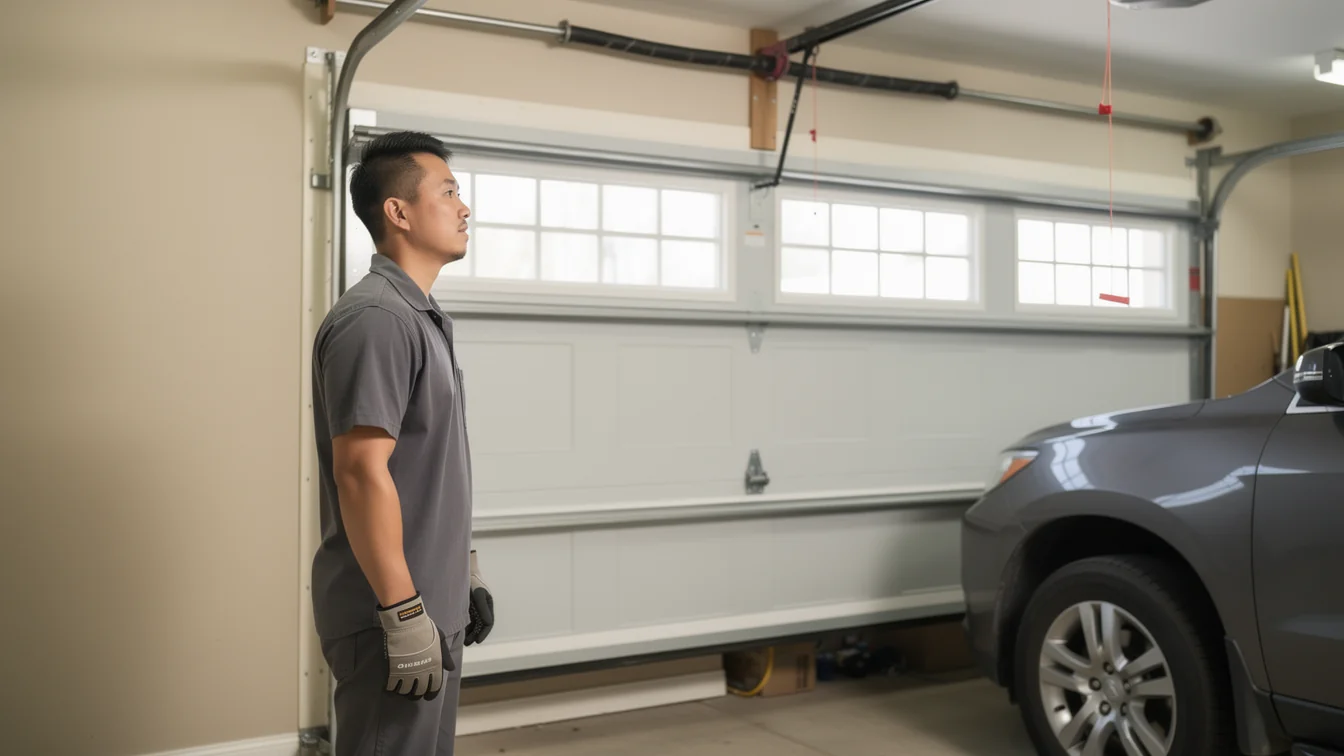
Richmond homes built between 1972 and 2014 carry different hardware than new builds.
Read more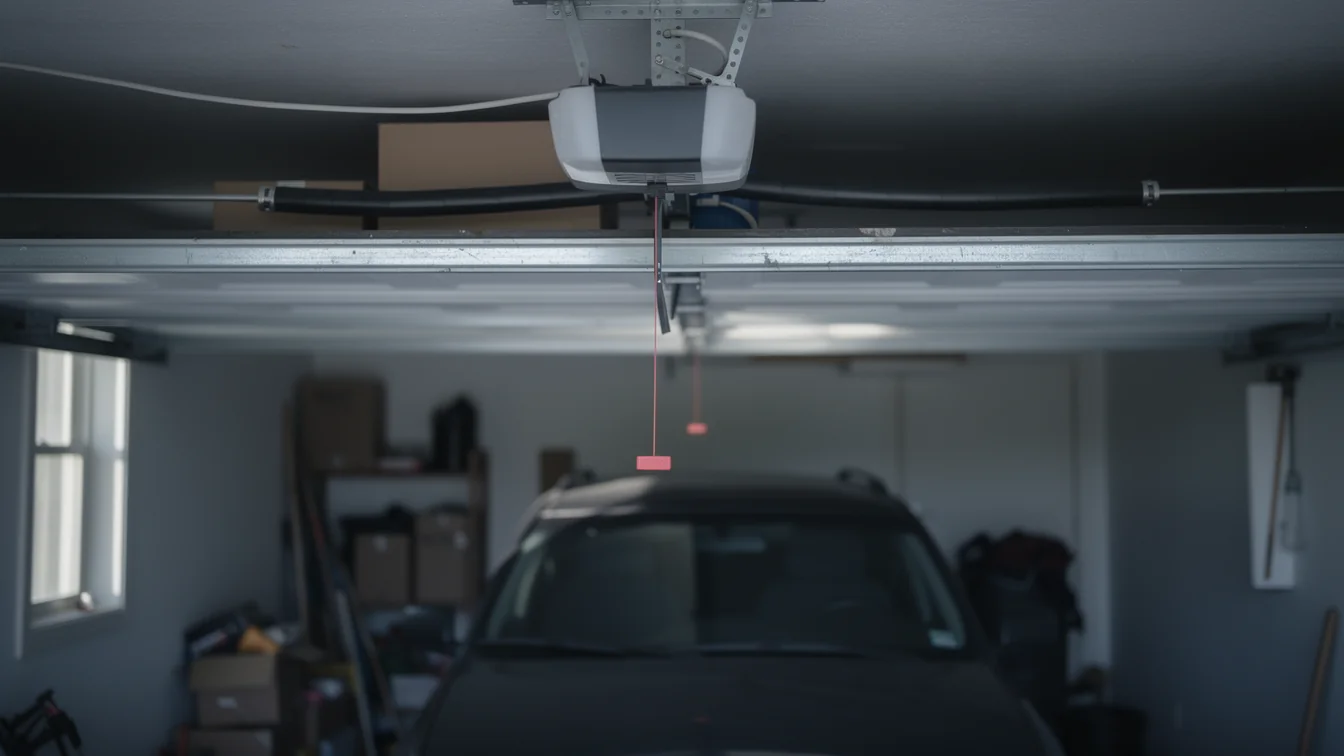
Richmond homes built 1972-2014 run openers now 10-50 years old.
Read moreReady when you are
Richmond Garage Door Pros repairs and installs garage doors, springs and openers in Richmond, TX and the surrounding area.