Serving Richmond, TX & nearby(281) 619-5998

Richmond, TX

Garage Door Opener Repair, Richmond TX

Opener dead or grinding in Richmond, TX? We explain why 1980s-era openers fail here and what the fix actually involves before you call.

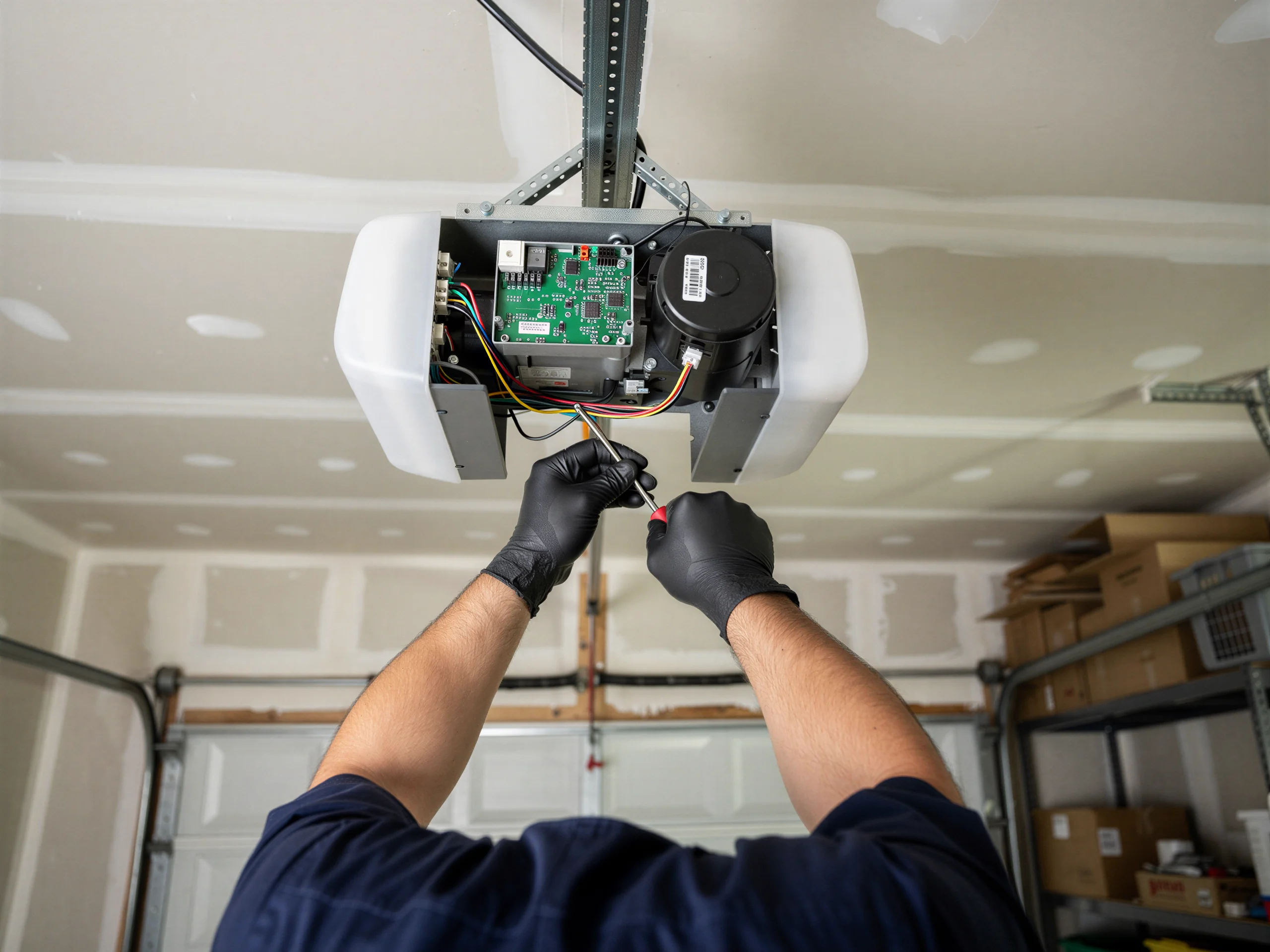
A technician in black gloves repairs an open garage door opener with a screwdriver.
Same-day service in most cases
Serving Richmond, TXBackground-checked techsHonest, upfront pricingFast local response
Local
Crews that work this area daily
Same-day
Response for most repair calls
Upfront
Pricing agreed before we start
Insured
Background-checked technicians

Symptoms

The Symptom

The remote clicks and nothing happens. Or the opener hums, the chain jerks, and the door doesn't move. Maybe it opens fine but won't close without reversing halfway down.

Weeks of small warnings

These are the calls we get most from Richmond homeowners, and they rarely show up out of nowhere. A lot of the time the opener has been giving small warnings for weeks: a delay before it starts, a light that flickers, a remote that needs three presses instead of one.

Waiting until it quits

People wait because the door still technically works. Then one morning it doesn't, usually when someone's late for work or the garage is full of groceries. If your opener is original to the house, that history matters.

Aging original openers

Richmond's housing stock runs from 1972 to 2014, with the median home built in 1987, which means a large share of openers out there are original units well past the age where circuit boards and gear sets hold up. Age doesn't always mean total failure, but it means parts are working harder than they were designed to.

Watch-outs

What Can Go Wrong

Opener failures break down into a handful of repeatable patterns. The logic board can go first, especially on units that have taken small power surges over the years.

Intermittent command drops

Once it starts dropping commands intermittently, replacement is usually the only real fix since boards for older models often aren't stocked anywhere. Drive systems wear differently depending on type. Chain drives stretch and need tensioning; belt drives rarely fail outright but the belt can fray at the connector.

Stripped nylon drive gear

Screw drives strip the nylon drive gear, which is a known weak point on units from the 80s and 90s-era production runs. When the motor runs but the trolley doesn't move, that gear is the first thing we check. Safety sensors cause more false alarms than anything else.

Sensor and wiring faults

A sensor knocked a few degrees out of alignment, a spider web across the lens, or a hairline crack in the wiring will stop the door from closing even though the opener itself is fine. We also see limit switches drift out of adjustment, which makes the door reverse before it's fully seated or over-travel and strain the track. None of these are exotic problems. They're what you'd expect from hardware that runs several times a day, every day, for decades.

Local causes

Why This Fails Locally

Across the 13 named communities we cover, most houses date to the 1980s and 90s, which means a big share of garage door openers in this area are sitting at or past the point where manufacturers stop supporting the control boards. That's not a Richmond-specific defect, it's just math: openers installed when a house was built are now 25 to 40 years old, and electronics don't last that long under daily cycling.

Heat plays a role too. Richmond sits in a moderate heat climate band, and garage interiors run hotter than the rest of the house for a good chunk of the year. Circuit boards and capacitors degrade faster under repeated heat cycling, and nylon gears get brittle sooner than they would in a cooler attached space. It's slow, cumulative wear rather than a single failure point, which is why openers often seem fine until they aren't.

The practical result: a repair call in an older Richmond-area home is more likely to turn up a board or gear that's simply worn out from age and heat, not a one-off defect. That shapes how we diagnose - age and household usage pattern tell us almost as much as the symptom itself.

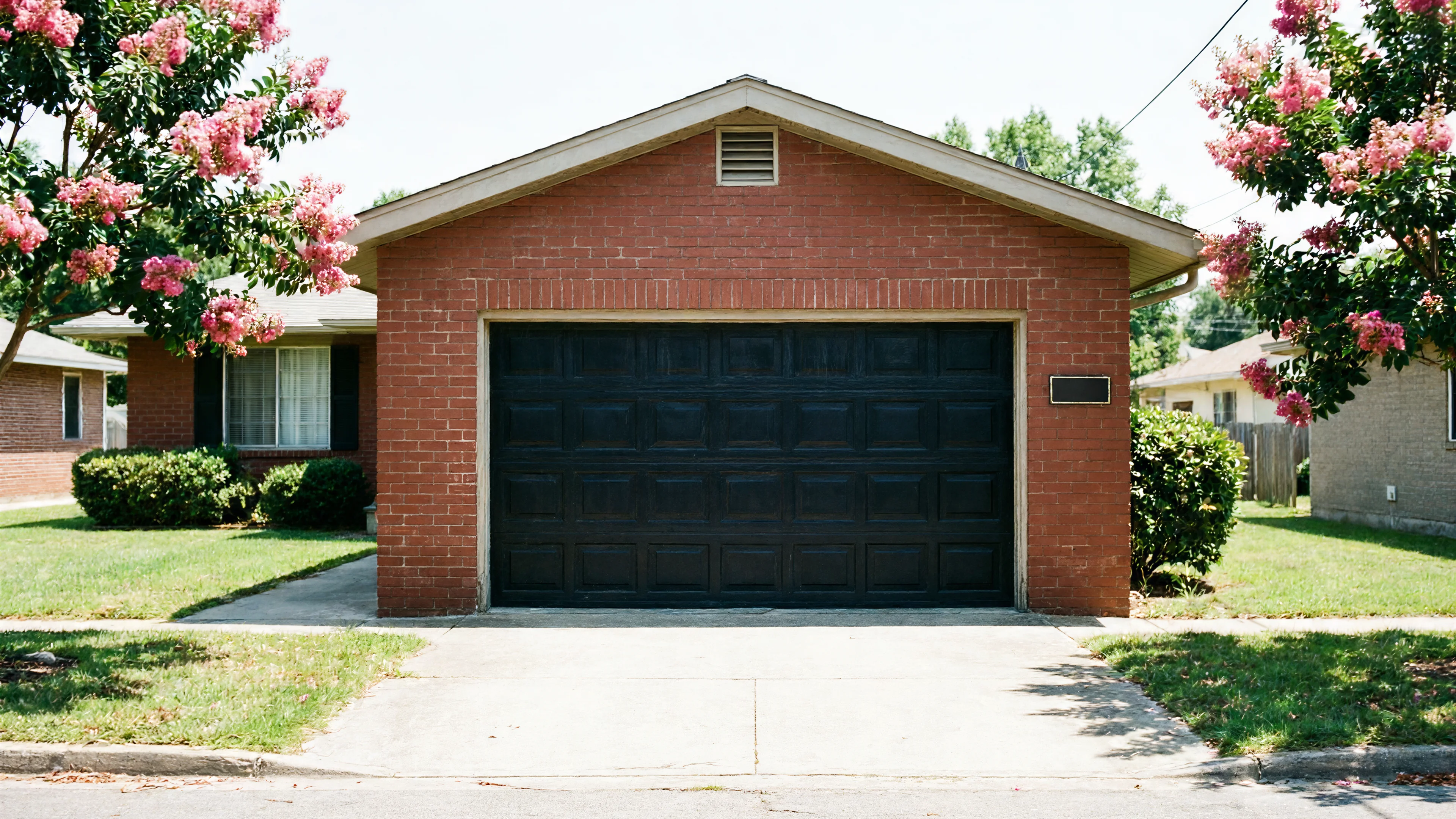
A black garage door is on a red brick house with pink flowering trees.

Pricing

The Cost of This Job

We're not going to put a number here that doesn't hold up once we're standing in your garage. Opener repair cost swings on a few things: whether the fix is a sensor realignment versus a full board replacement, whether your unit's parts are still made, and whether the drive gear or motor is the actual problem versus a symptom of something upstream like a misaligned track.

Discontinued board availability

Here's the honest limitation: on older units, especially from brands that have changed hands or discontinued a model line, we sometimes can't get an exact replacement board or gear kit quickly.

Replacement may pay off

In those cases, repair isn't always the cheaper option once you count parts lead time, and replacing the opener outright can end up making more sense. We'll tell you straight if that's where your unit is at instead of chasing a part that takes weeks to land.

Straight repair-or-replace answer

With 8,495 owner-occupied houses among the service area's 12,455 households, we see a wide range of opener ages and brands come through, and the median household income here of $72,853 means most people want a straight answer on repair-versus-replace before committing, not a guess.

Questions

Common questions

My garage door opener runs but the door won't move, what's wrong?

This usually points to a stripped drive gear, a slipping chain or belt, or a disconnected trolley. If the motor sounds normal but the carriage isn't traveling along the rail, the problem is almost always mechanical rather than electrical, and it's a common failure point on units from the 1980s and 90s.

Why does my opener work sometimes but not others?

Intermittent failure is the classic sign of a failing logic board or a safety sensor that's slightly out of alignment. Heat can make this worse during warmer months since boards and sensor wiring are more sensitive to temperature swings than people expect.

Is it worth repairing an opener from the 1980s or 90s?

Depends on what's broken. A sensor or limit switch adjustment is almost always worth fixing. A failed board on a model where parts are discontinued often isn't, since sourcing time and cost can exceed a new opener. We'll check parts availability before recommending either way.

Do you serve areas outside Richmond itself?

Yes, we cover the surrounding service area including Cumings, Pleak, Four Corners, Thompsons, Needville, Simonton, Kendleton, Brookshire, Arcola, East Bernard, Wallis, Bunker Hill Village, Piney Point Village, and Bridlewood Estates.

Explore more

Explore More Services In Richmond, TX

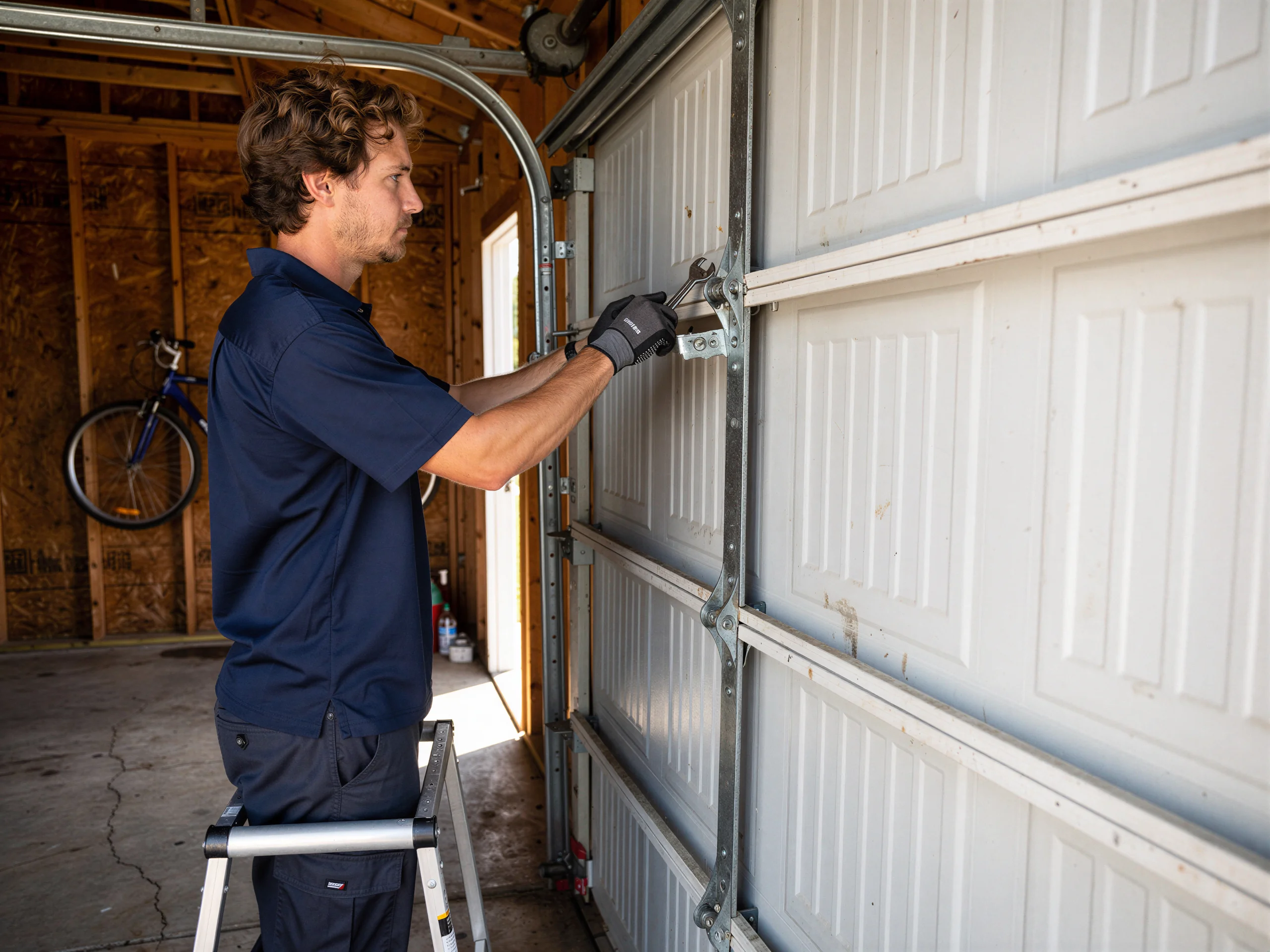
A technician on a ladder adjusts a white garage door.

Garage Door Repair for Richmond, TX Homes

Garage door stuck or grinding in Richmond, TX? Learn more →
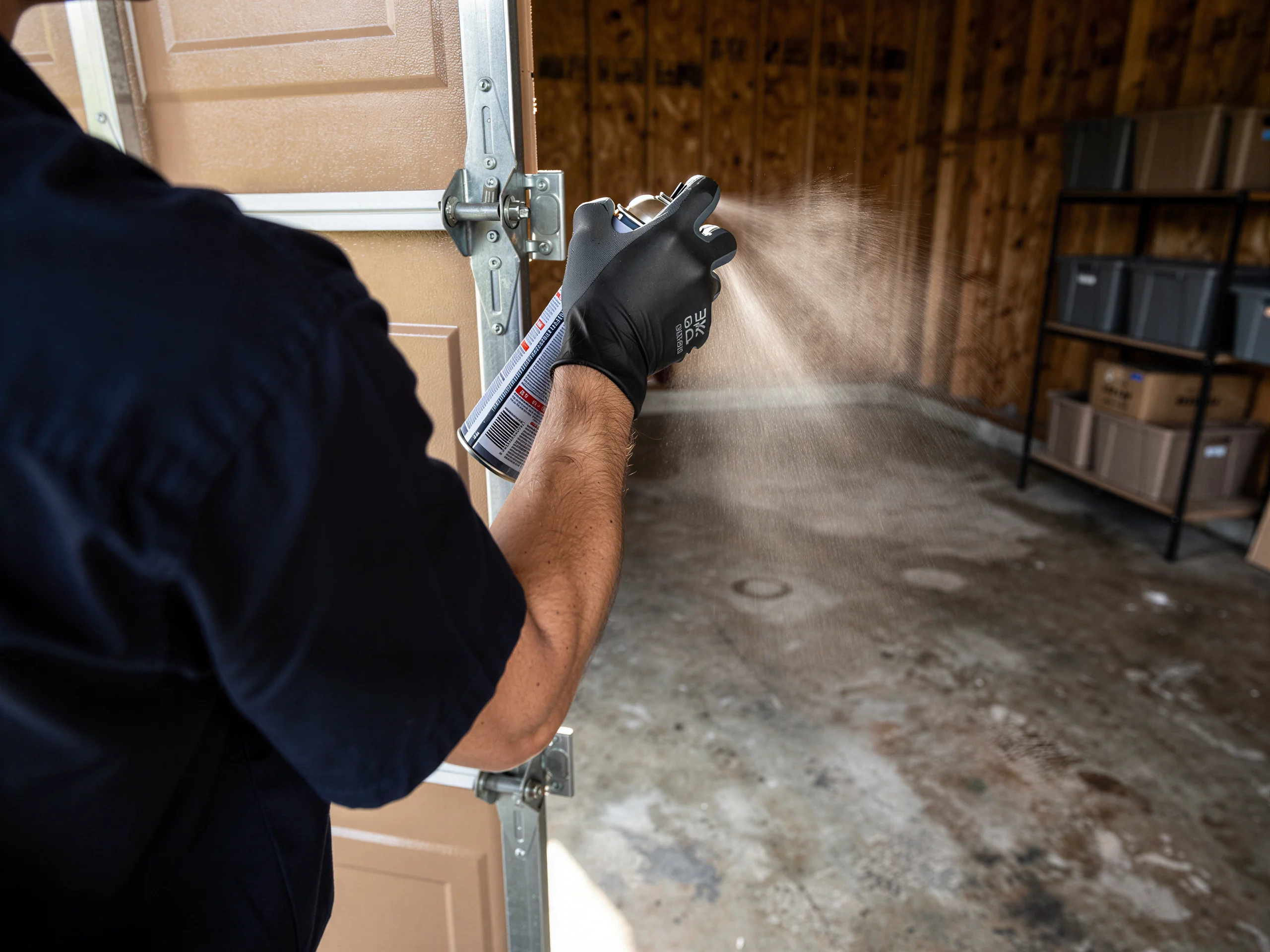
A technician sprays lubricant on a garage door hinge.

Garage Door Maintenance for Richmond-Area Homes

Garage door maintenance for Richmond, TX homes built 1972-2014. Learn more →
A technician sprays lubricant on a garage door hinge.

Garage Door Service for Richmond, TX Homes

Garage door repair and tune-up service for Richmond, TX homes built mostly between 1980 and 2000, where aging springs and openers are the most common call. Learn more →
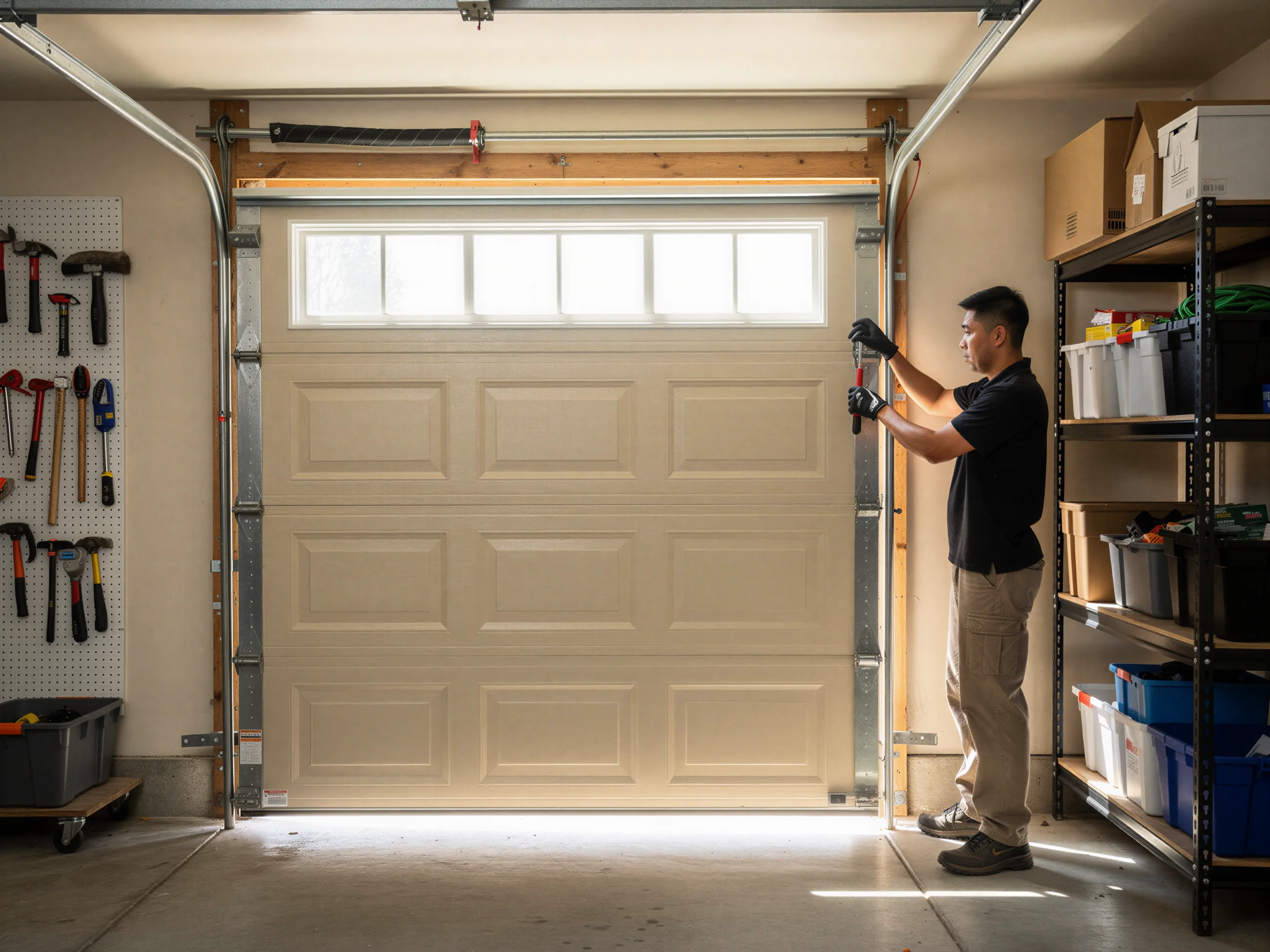
A technician in black gloves adjusts a beige garage door with windows.

Garage Door Installation for Richmond, TX Homes

Richmond homes built from the 1970s through the 2010s carry openers and doors matched to that era's codes. Learn more →
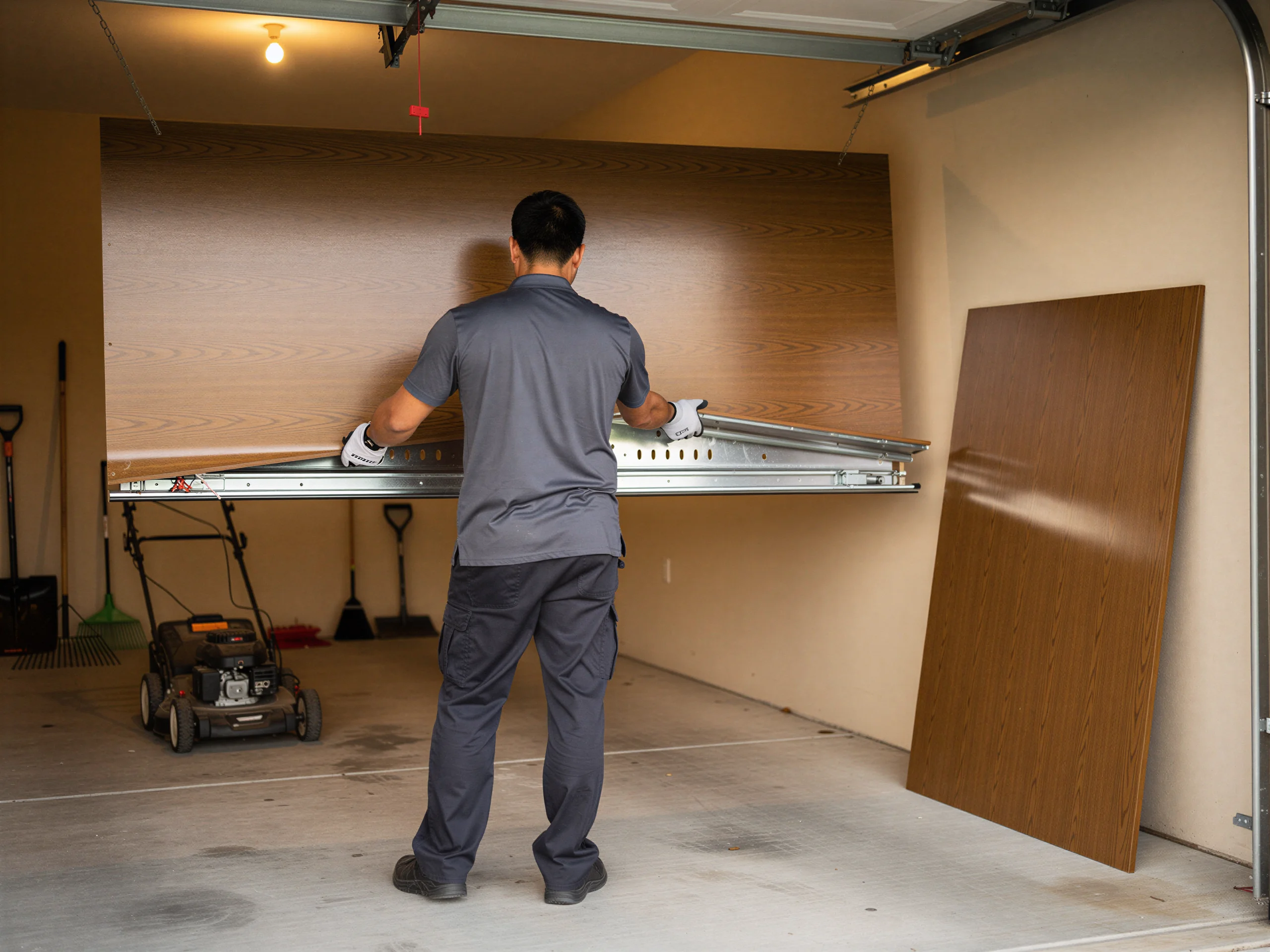
A technician installs a brown wood-grain garage door panel in a garage.

Garage Door Panel Replacement in Richmond, TX

Dented or cracked garage door panels are common across Richmond's 1980s-90s housing stock. Learn more →

Ready when you are

Need a garage door sorted in Richmond?

Richmond Garage Door Pros repairs and installs garage doors, springs and openers in Richmond, TX and the surrounding area.

Certified Experts Quality Assured
CallGet a quote