
Cycle-count wear, not defects
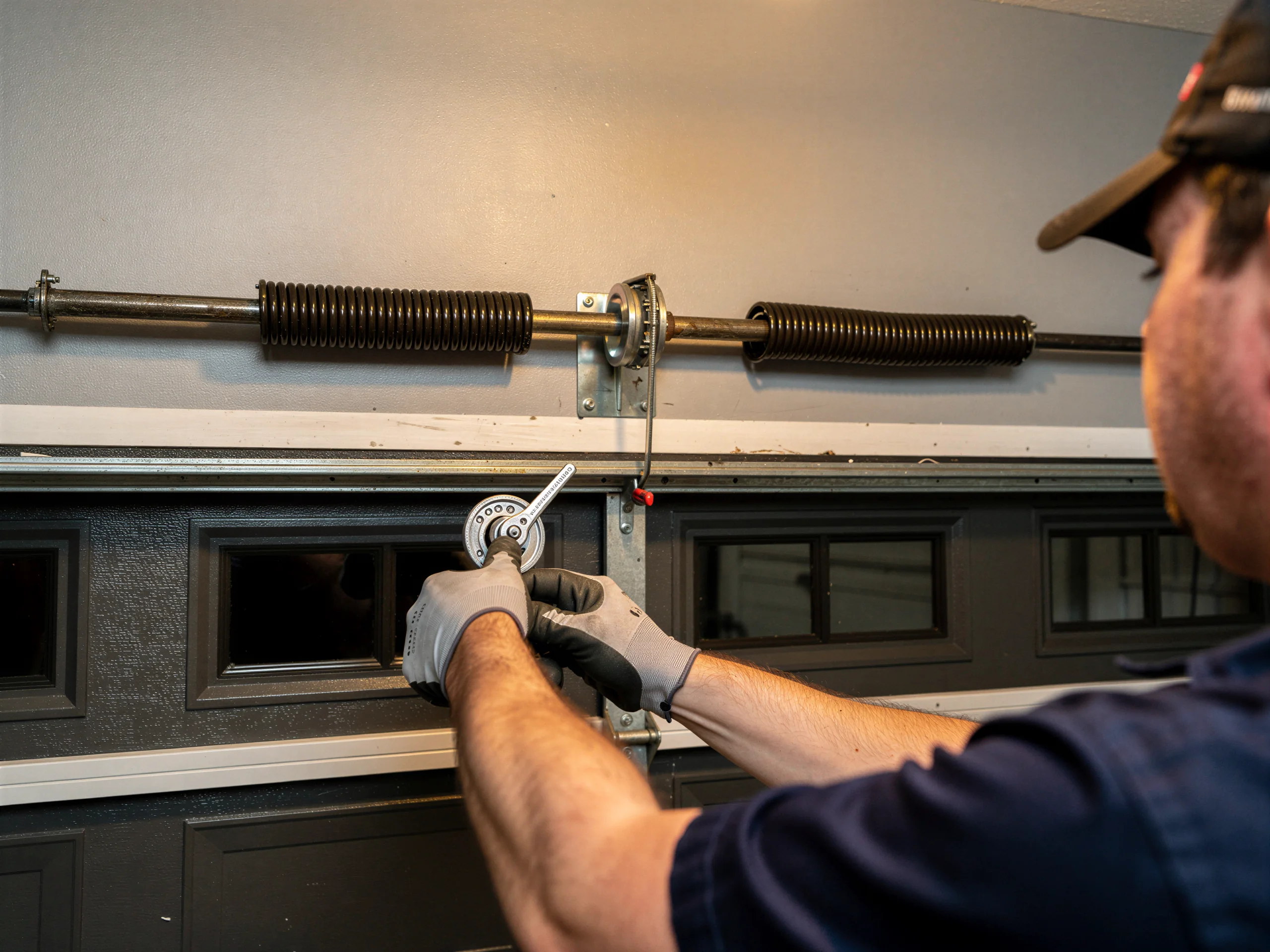
On doors from the early 1990s, the failure we see most is a worn extension or torsion spring that's simply reached the end of its cycle count, not a manufacturing defect.
Bunker Hill Village, Richmond
Bunker Hill Village homes run newer and pricier than most of our service area. Here's how that changes the maintenance call and the repair-or-replace math.
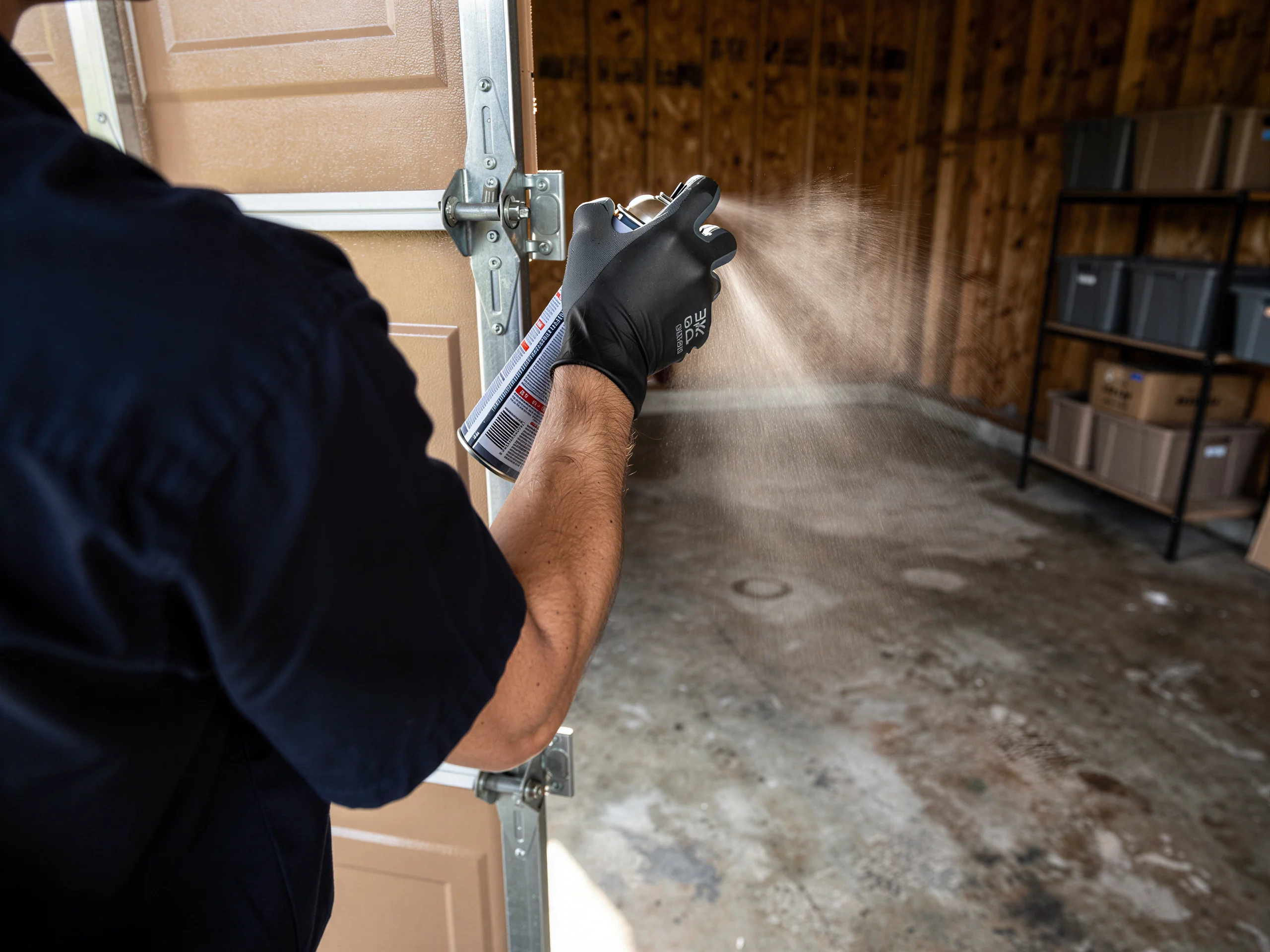
The repair
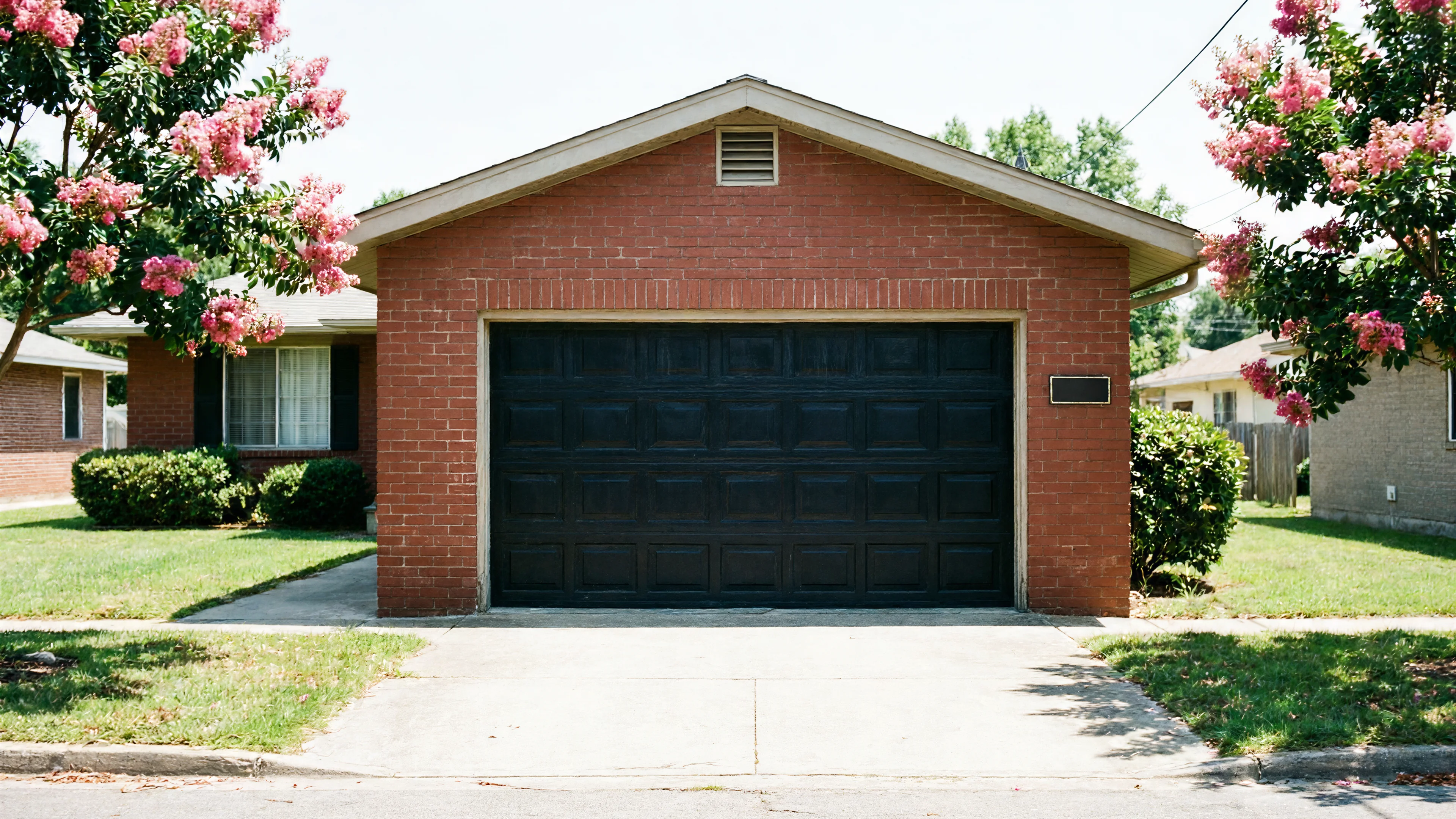
Bunker Hill Village sits about 19 miles from our Richmond shop, and the houses here skew newer than a lot of what we see elsewhere in the service area, where the median build year lands around 1987.
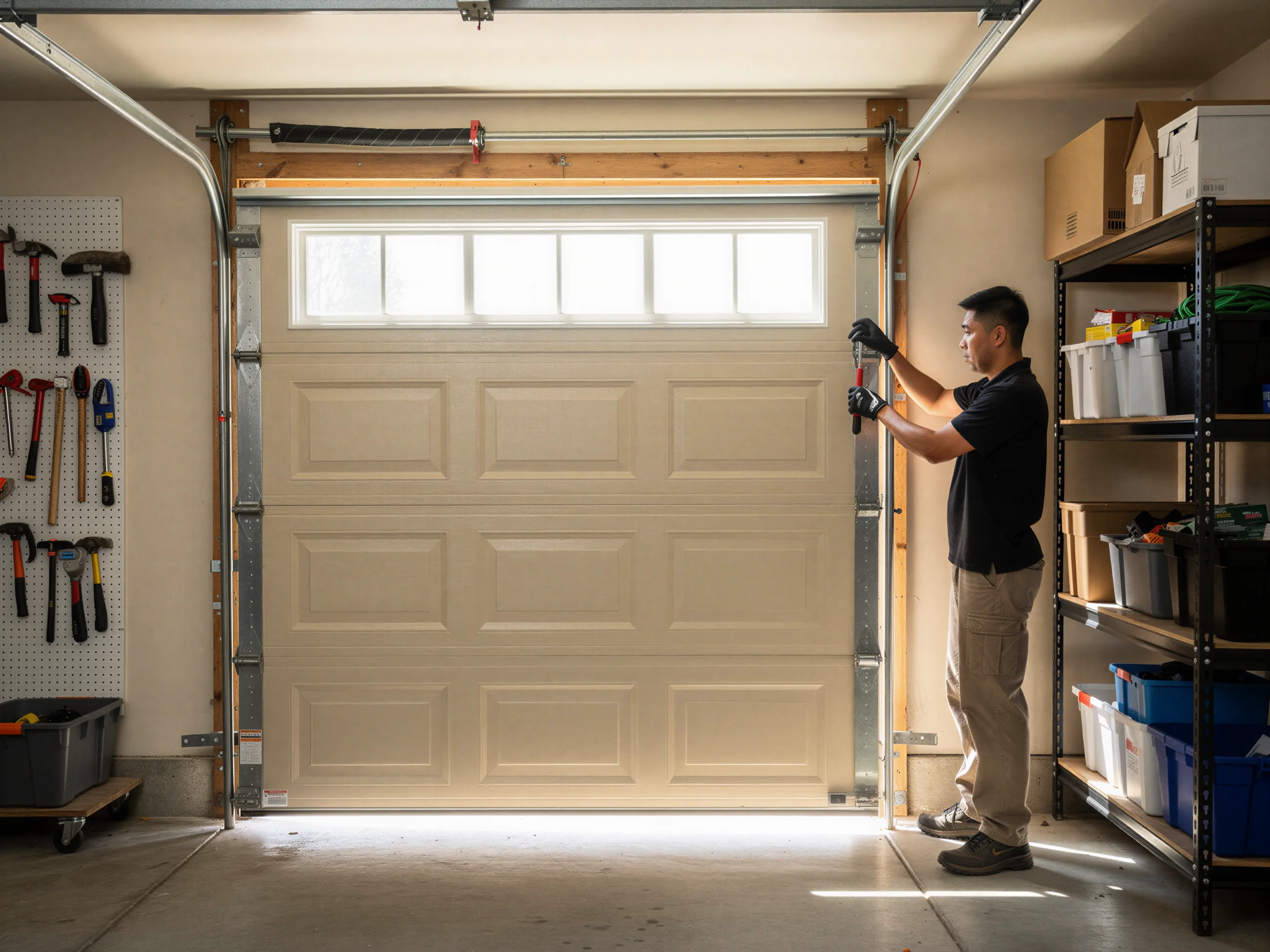
A maintenance visit on a door built closer to 1993 or later means we're usually dealing with factory steel track and stamped-steel panels rather than the older one-piece doors still common on the 1970s and 80s stock.
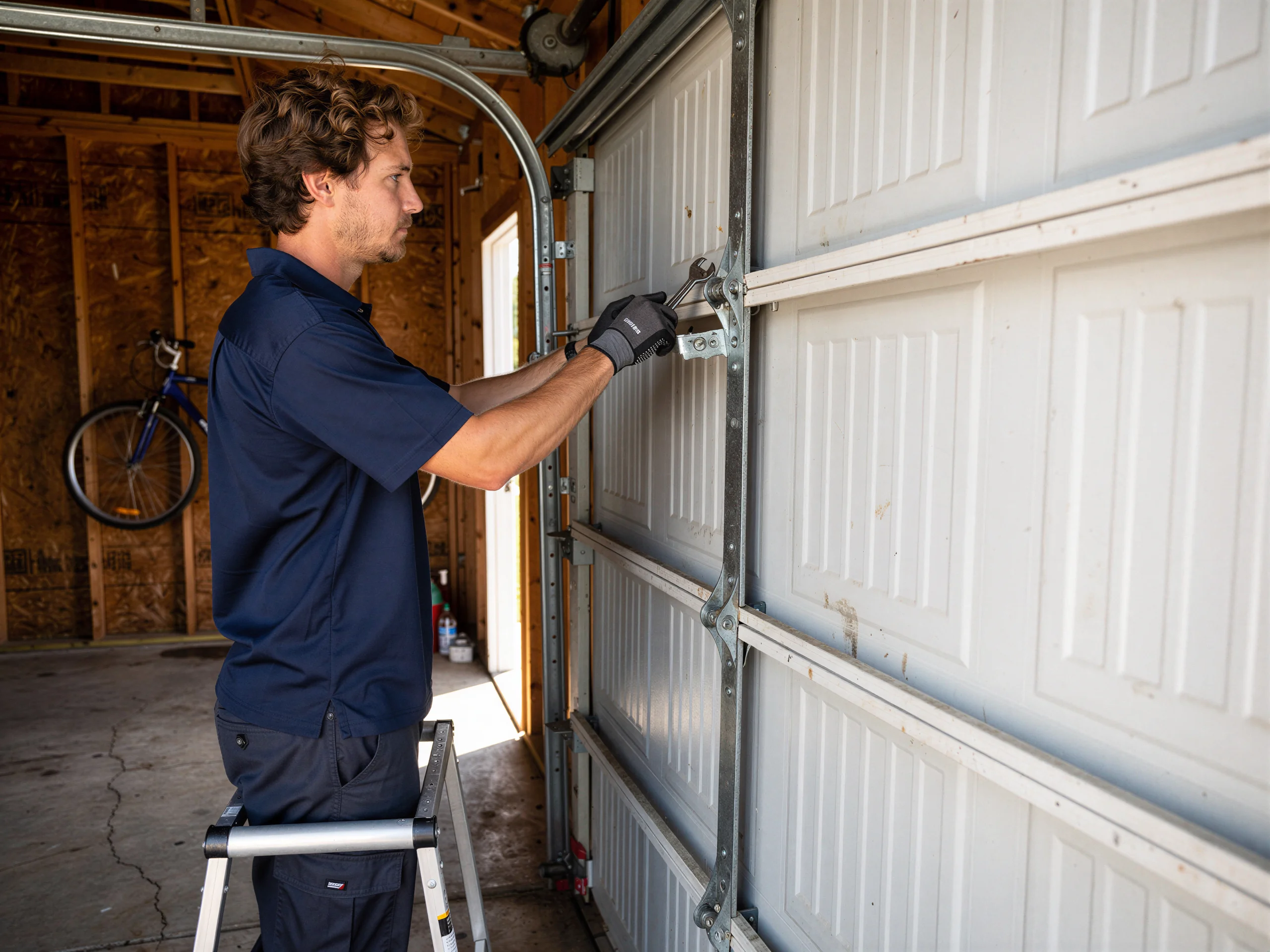
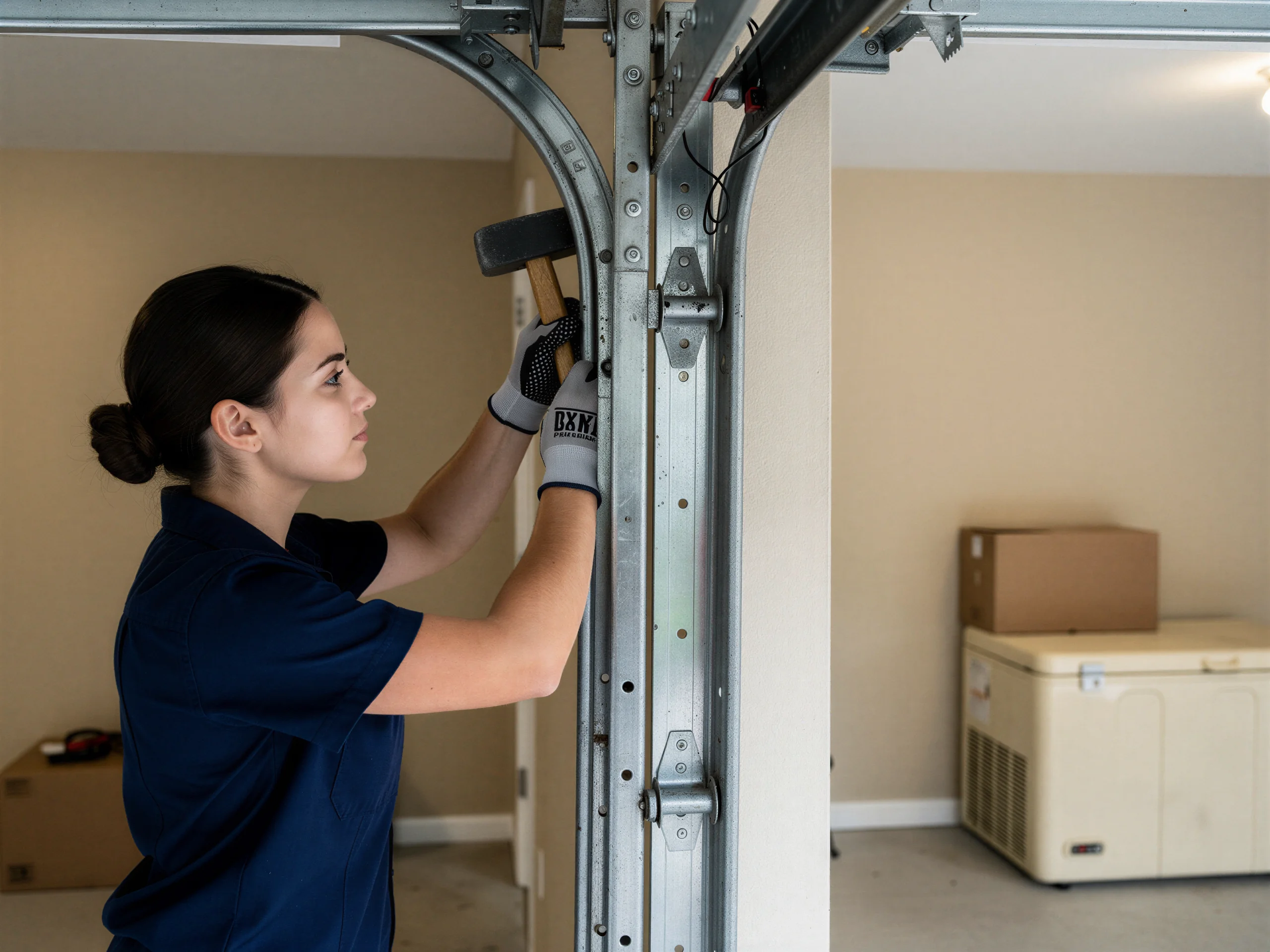
The visit covers the same basics everywhere - lubricating rollers and hinges, checking cable fray at the drum, testing spring balance, tightening loose track bolts, and checking the opener's force and travel settings.
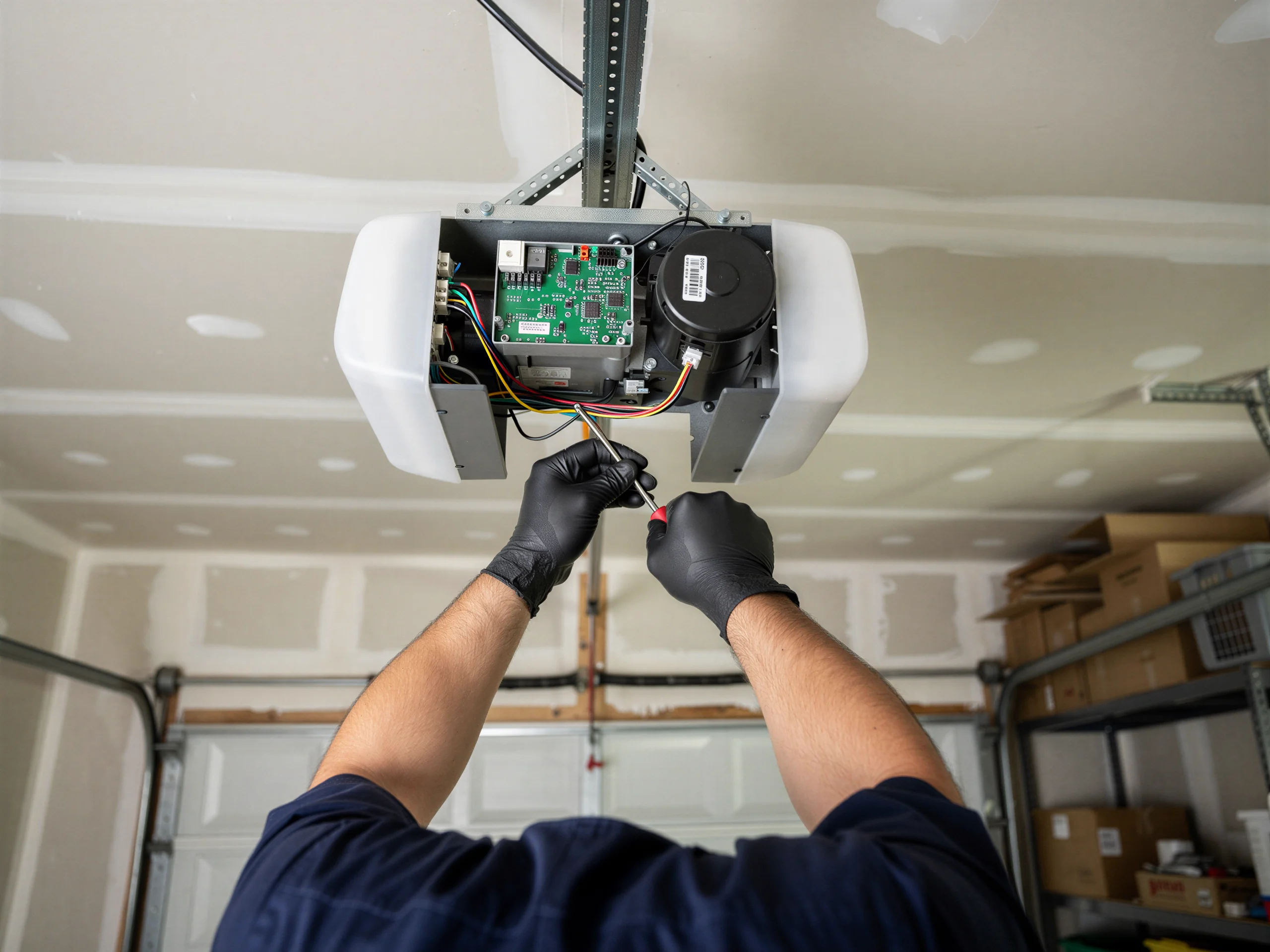
On a 1990s-era door, the opener is more likely to be a chain-drive unit nearing the end of its working life rather than needing a full rebuild. We check the photo-eye alignment and the auto-reverse function every visit, since those are the parts owners notice least until they fail.
On the truck
We stock torsion springs sized for standard residential door weights, nylon and steel rollers, galvanized lift cables, and standard safety cables for doors built on the common track widths from the 1980s through today. Bunker Hill Village's newer housing stock means most doors here still use parts that are easy to match off the truck - we're not hunting down discontinued hardware the way we sometimes do on the oldest homes in the broader service area. What we don't carry is custom millwork or specialty wood door hardware; if a door has a non-standard panel size or an imported opener, that part gets ordered and the job gets scheduled around lead time, which we'll quote before we start.
Watch-outs
The service area sits in a moderate-heat climate band, and heat cycling is harder on nylon rollers and on opener circuit boards than most owners expect - plastic rollers crack and boards drift out of calibration faster in summer heat than in milder regions.
On doors from the early 1990s, the failure we see most is a worn extension or torsion spring that's simply reached the end of its cycle count, not a manufacturing defect.
Weatherstripping on the bottom panel also degrades under repeated heat exposure, letting in dust and insects even when the door still opens and closes fine. None of this is unique to this one street or that one house - it's what happens to any door of this age sitting in this climate for three decades.
Pricing
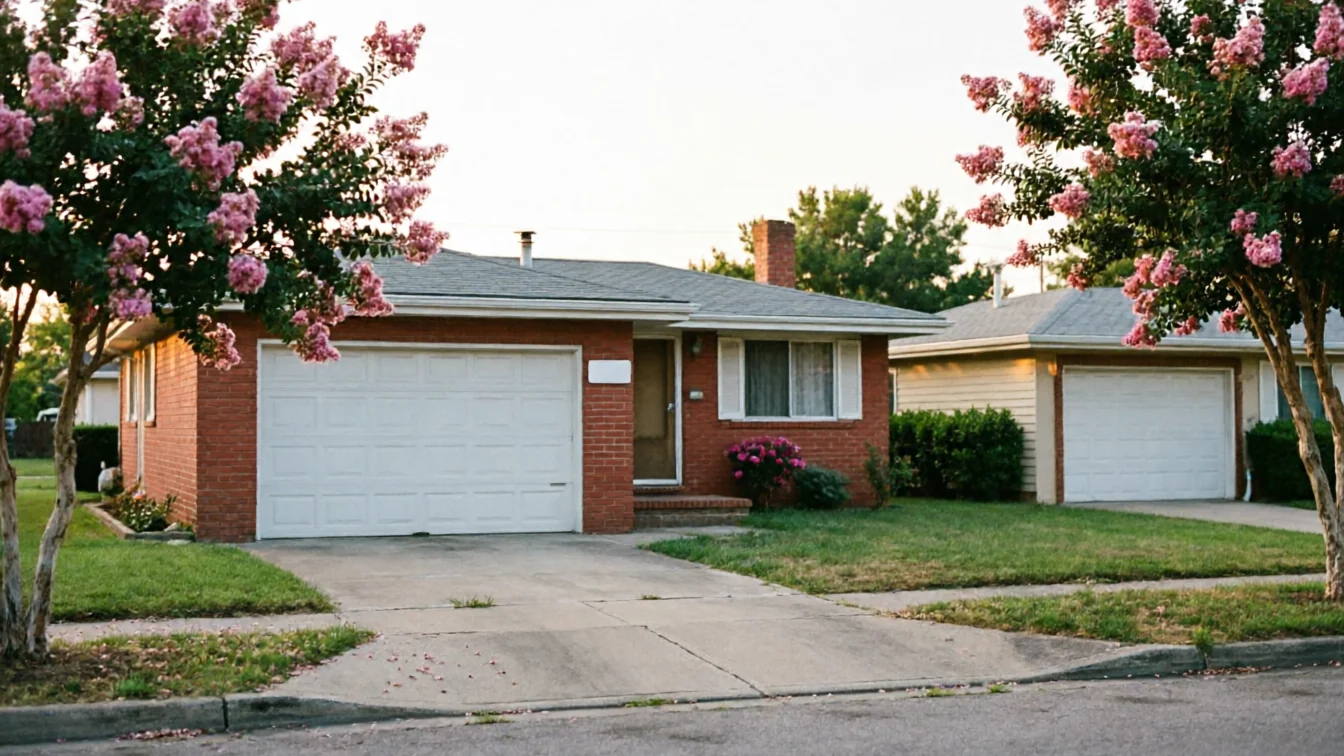
Bunker Hill Village's median household income runs well above the rest of our service area - over $250,000 against an area median closer to $72,853. That gap matters for the repair-or-replace call. At that income level, owners more often choose to replace an aging opener or a door with cosmetic wear rather than nurse it along, since the cost difference between a tune-up and a new opener is small relative to the household budget. We still recommend repair first when the door itself is structurally sound - a new spring and roller set on a door from the early 1990s is usually a fraction of replacement cost and buys years of service. We won't talk anyone into a full door swap when a $200 repair solves the actual problem.
DIY or pro
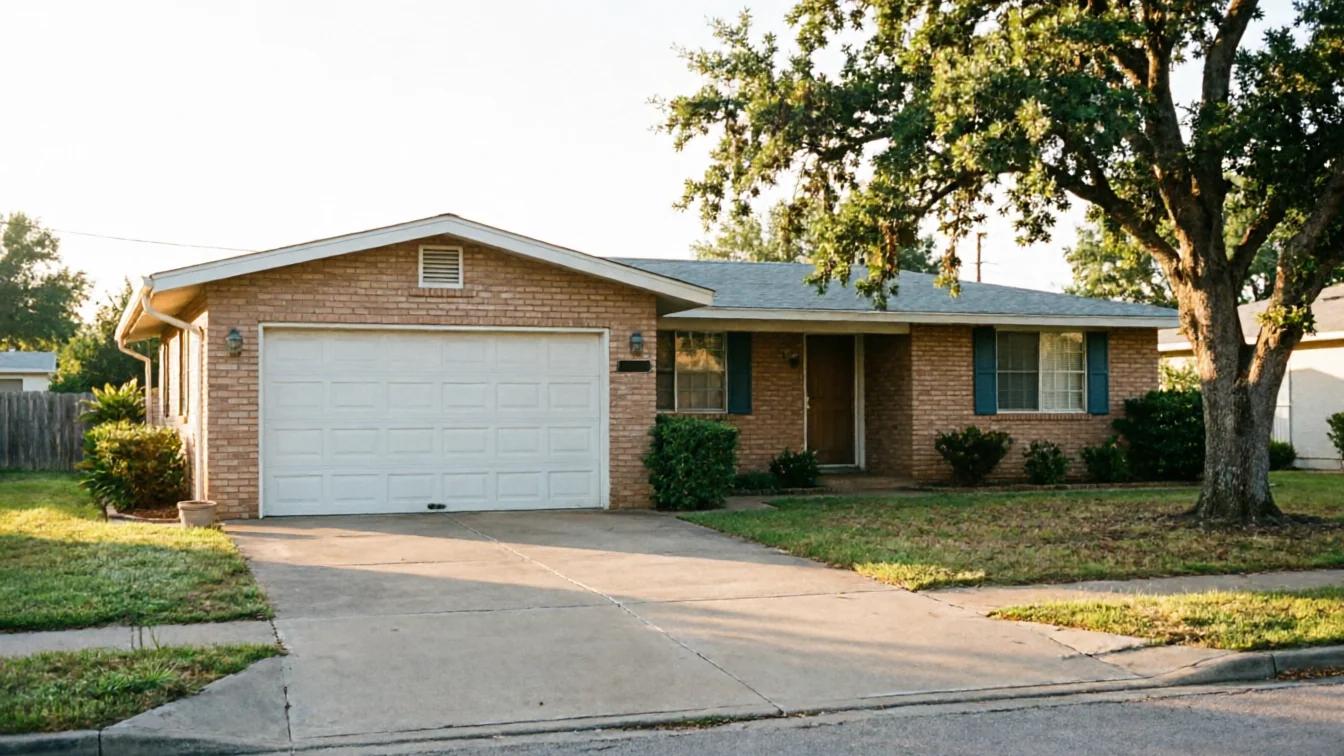
Spring tension and cable work are not do-it-yourself jobs - a torsion spring under load can cause serious injury, and that doesn't change based on the neighborhood. What owners here can safely do themselves: visually check for fraying cable strands, listen for grinding at the rollers, test the auto-reverse by placing a block under the door, and keep the track clear of debris. If the door is from the early 1990s and has never had the spring replaced, it's closer to the end of its rated cycle life than a newer one, so that's one item worth calling in rather than testing yourself. We'd rather get a call for a five-minute spring check than a call after someone's tried to adjust tension on their own.
Questions
Once a year is standard for a door from that era, assuming normal use. If the opener is original to the house, it's worth having the force settings and auto-reverse checked more often, since those tend to drift with age and heat cycling faster than the hardware itself fails.
It depends on what's actually broken. A worn spring or roller set is almost always cheaper to repair than replace, regardless of the home's value. Full replacement makes more sense when the door panels themselves are dented, warped, or the opener has failed outright.
No, we work out of Richmond and travel to Bunker Hill Village for service calls, about 19 miles each way. We don't keep a local depot there, so parts not on the truck get ordered ahead of the visit.
Explore more
Ready when you are
Richmond Garage Door Pros repairs and installs garage doors, springs and openers in Richmond, TX and the surrounding area.